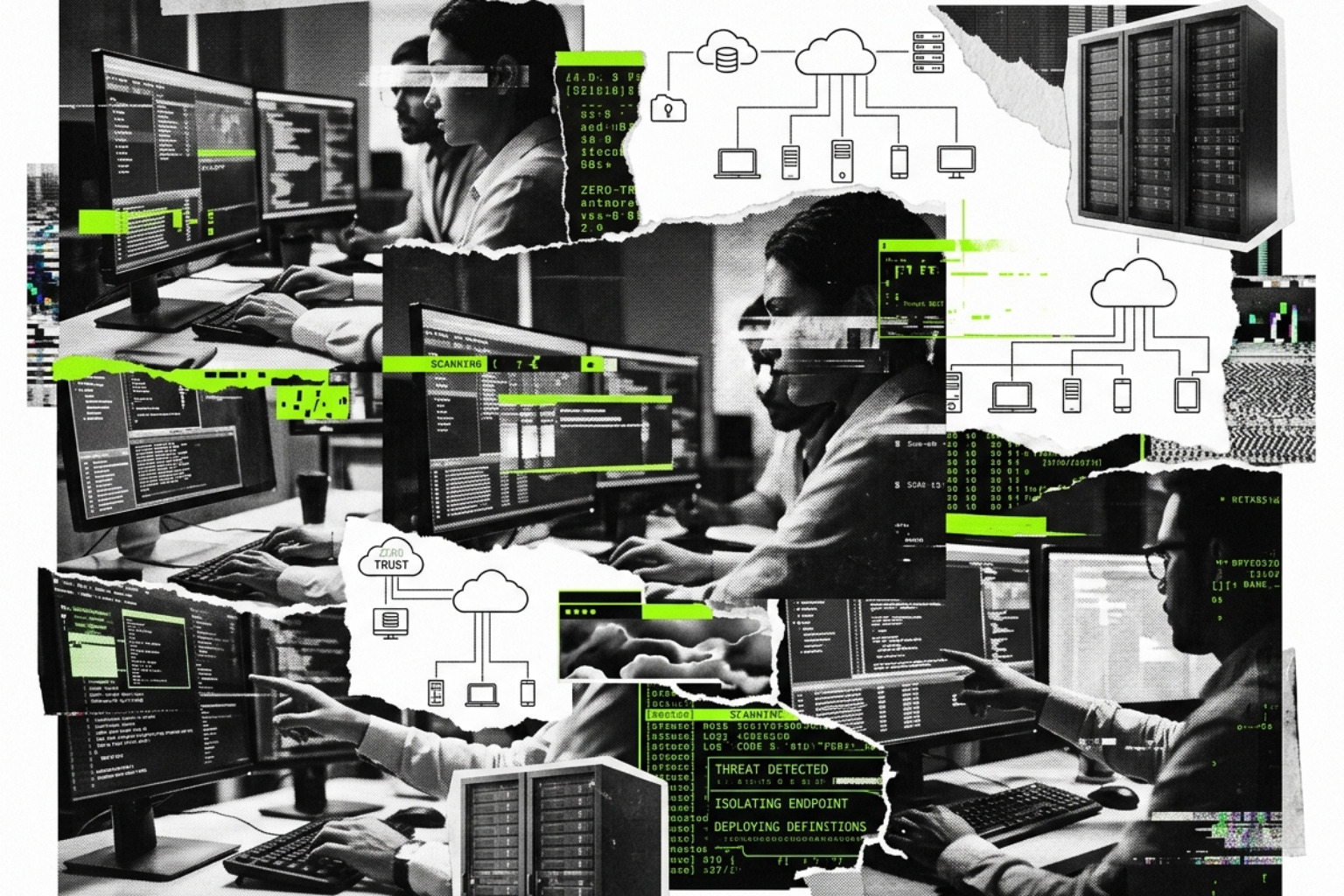

Finding the Best Malware Protection for Enterprises in 2026
Antivirus alone can't protect enterprises in 2026. This guide covers EDR, SIEM, Zero Trust, and the security suites that actually stop modern threats.
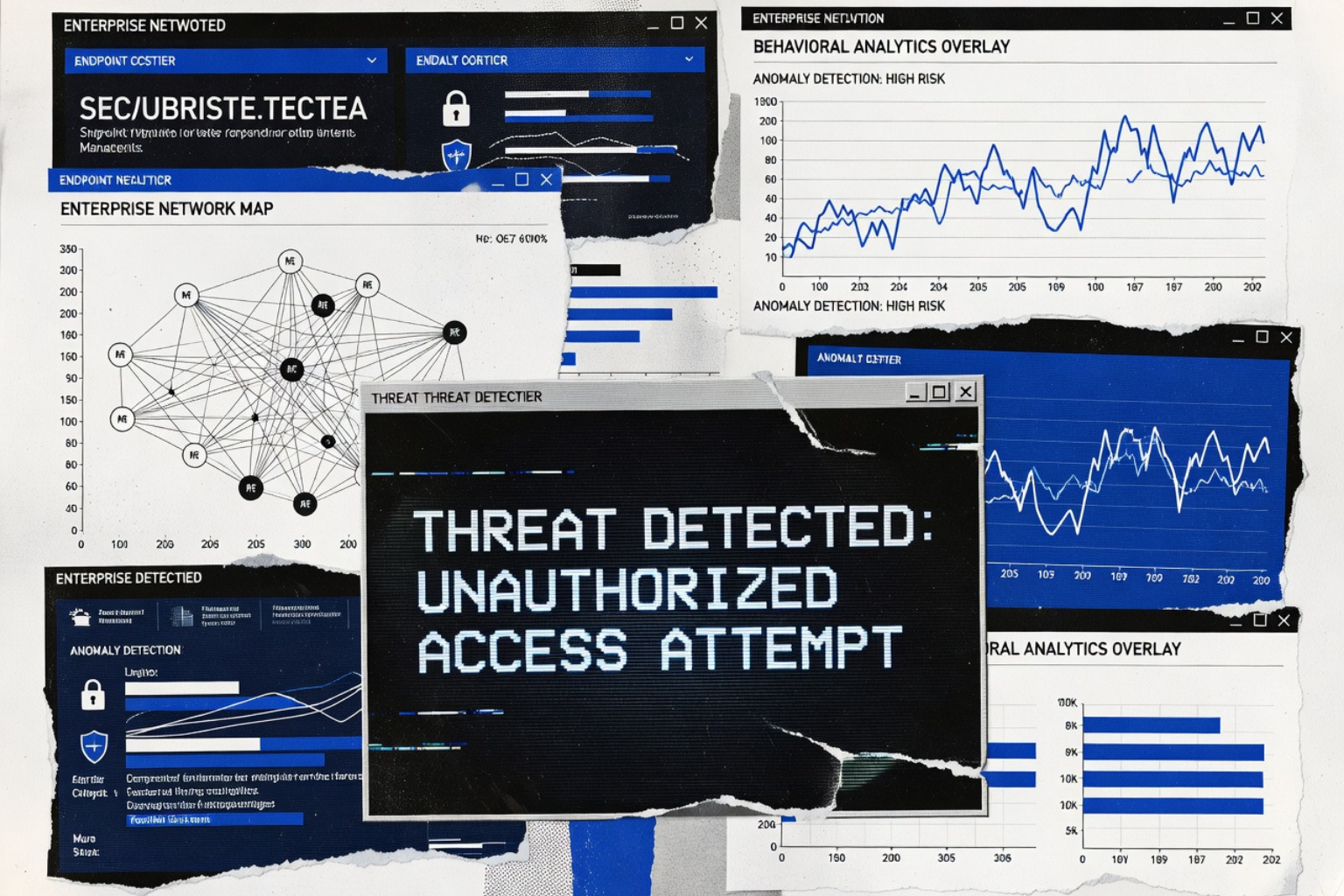
Endpoint detection and response (EDR) tools provide continuous monitoring, behavioral analysis, and automated response across organizational endpoints. Coverage of EDR platforms, deployment architectures, alert triage, threat hunting workflows, and how EDR integrates with XDR and managed detection services in modern security operations.
Antivirus alone can't protect enterprises in 2026. This guide covers EDR, SIEM, Zero Trust, and the security suites that actually stop modern threats.
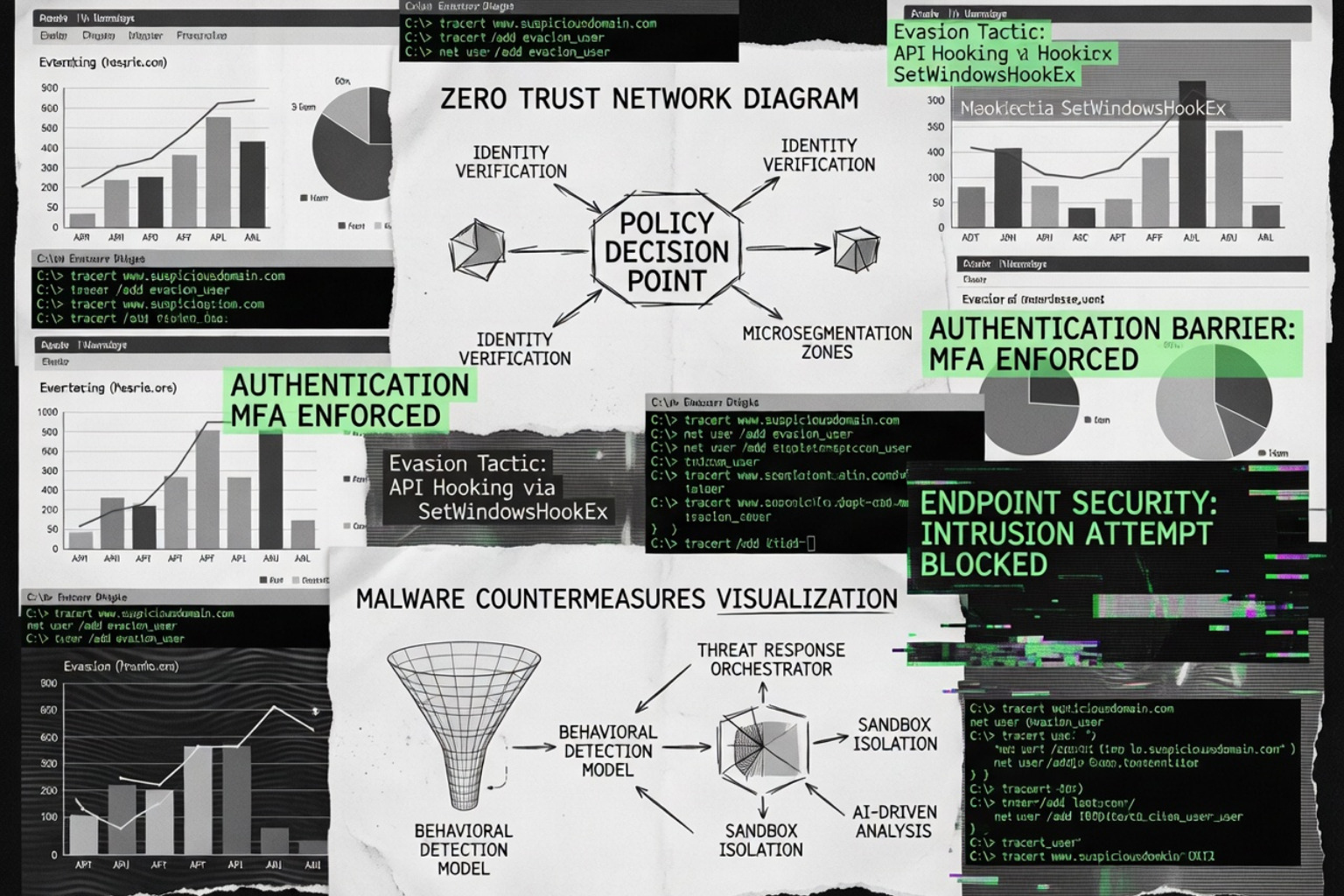
Endpoint Detection and Response is now table stakes for cybersecurity. Learn how EDR works, how it differs from EPP and XDR, and which platforms lead in 2026.
Modern malware uses obfuscation, polymorphism, and anti-sandbox tricks to evade detection. Here are the countermeasures that actually work against them.
Antivirus is one layer, not a strategy. This guide covers EDR, next-gen firewalls, email gateways, Zero Trust, and MDR — the full enterprise defense stack.
The gap between a malware release and your next update is your window of vulnerability. Here's how to set the right cadence for your environment.
Signature-based detection misses modern threats. This guide covers behavioral analysis, ML-powered EDR, XDR integration, and real-time threat intelligence.
Behavioral blocking monitors program actions instead of matching signatures, catching zero-day exploits and fileless malware that traditional tools miss.
Deploying antivirus across an enterprise takes more than clicking install. This guide covers ring deployment, EPP vs EDR selection, and phased rollout.
Most breaches start at the endpoint. This comprehensive guide covers EDR, MDR, XDR, next-gen antivirus, and the hardening strategies enterprises need now.