
Finding the Best Malware Protection for Enterprises in 2026
Antivirus alone can't protect enterprises in 2026. This guide covers EDR, SIEM, Zero Trust, and the security suites that actually stop modern threats.
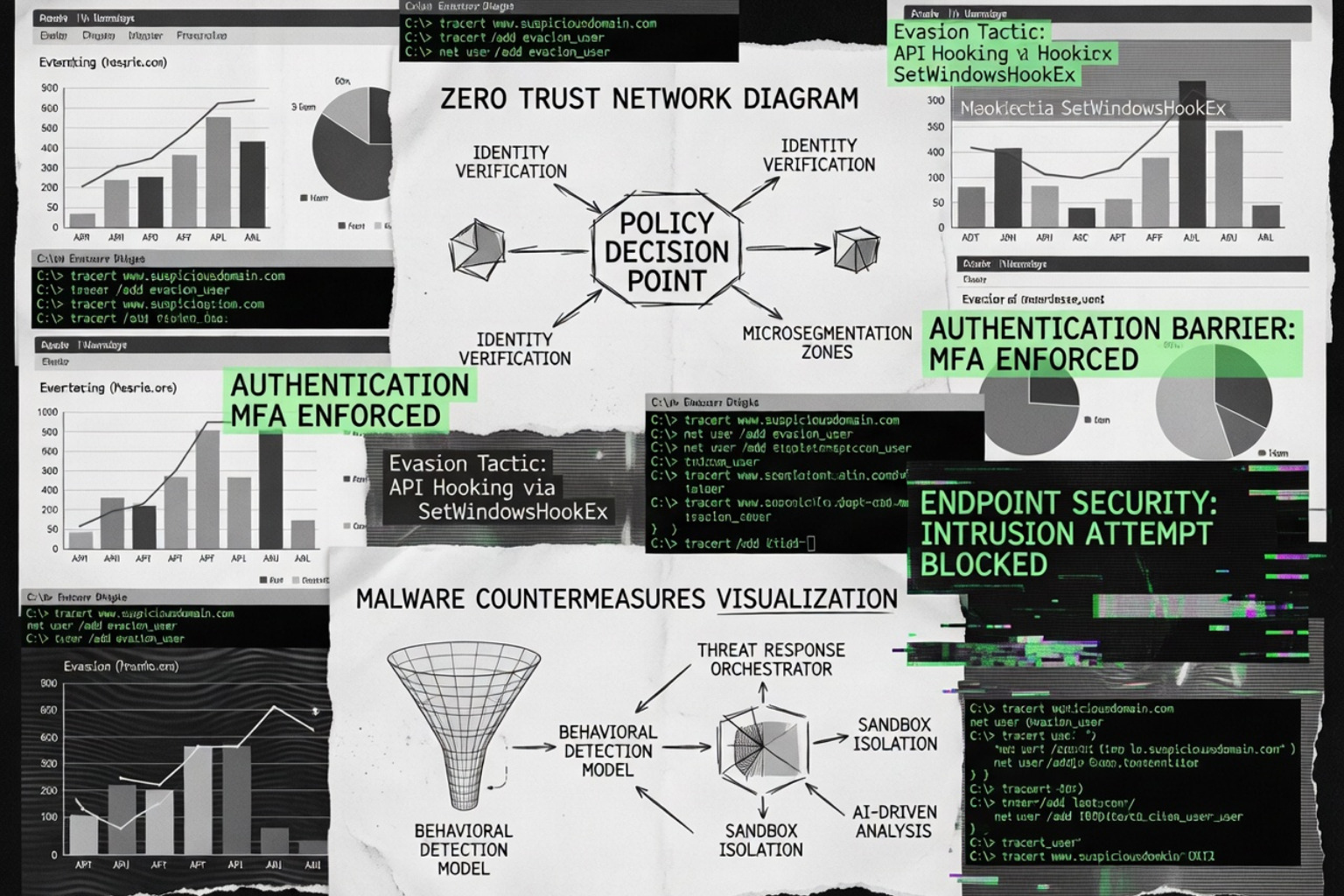
Cybersecurity coverage spanning threats, defensive controls, identity, infrastructure, and the policy and operational decisions that shape modern security programs. Practical analysis built for IT leaders, security practitioners, and the technical teams running cybersecurity day to day.
Antivirus alone can't protect enterprises in 2026. This guide covers EDR, SIEM, Zero Trust, and the security suites that actually stop modern threats.
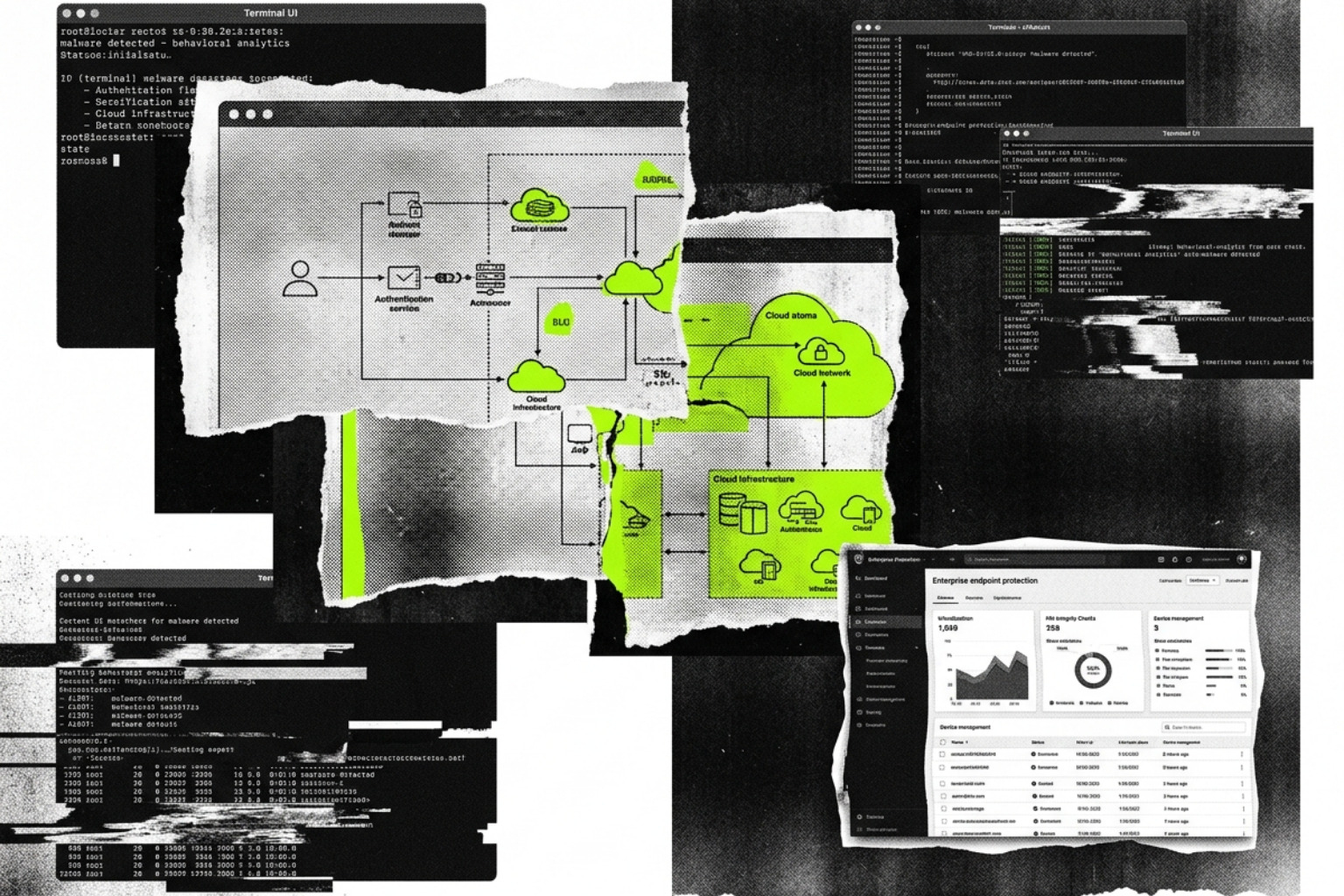
Modern malware uses obfuscation, polymorphism, and anti-sandbox tricks to evade detection. Here are the countermeasures that actually work against them.
Antivirus is one layer, not a strategy. This guide covers EDR, next-gen firewalls, email gateways, Zero Trust, and MDR — the full enterprise defense stack.
The gap between a malware release and your next update is your window of vulnerability. Here's how to set the right cadence for your environment.
One security tool isn't a strategy. Learn how to stack independent controls from perimeter to data core so that no single failure means total compromise.
Behavioral blocking monitors program actions instead of matching signatures, catching zero-day exploits and fileless malware that traditional tools miss.
Most breaches start at the endpoint. This comprehensive guide covers EDR, MDR, XDR, next-gen antivirus, and the hardening strategies enterprises need now.
The login form is the most attacked surface on the web. Here's how to implement form-based authentication correctly with modern security controls.
Cloud security in 2026 means hardening IAM configurations, enabling CSPM, locking down containers, and understanding the shared-responsibility boundaries that determine who defends what across AWS, Azure, and GCP.