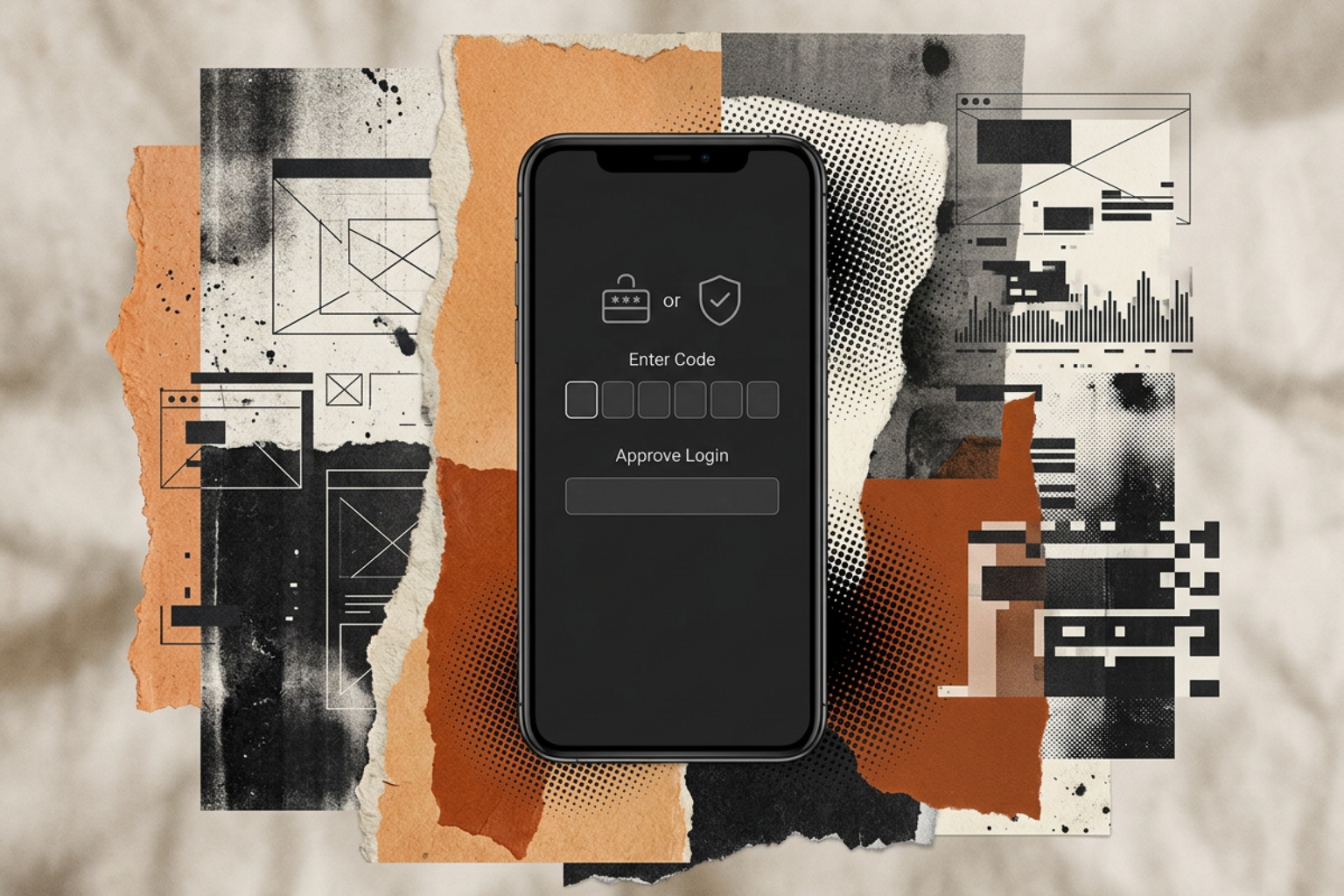
One Time Password Token Explained: How OTP Tokens Strengthen Enterprise Authentication
OTP tokens explained — how one-time passwords work, hardware token types, TOTP vs HOTP, and why OTP strengthens multi-factor authentication for enterprises.

One time password tokens have become a foundational element of modern authentication systems. As organizations move away from traditional passwords alone, security teams increasingly rely on one time password technology to protect web applications, corporate accounts, and sensitive data while staying informed through dedicated cybersecurity and authentication insights archives.
A one-time password, also known as a dynamic password, differs from static passwords because it is generated anew for each login or transaction, making it much harder for attackers to reuse stolen credentials.
Traditional passwords are vulnerable to phishing attacks, credential stuffing, and account takeovers. A one-time password provides a dynamic authentication method that significantly reduces these risks.
A one-time password (OTP) is a dynamically generated string of characters or numbers that is used to authenticate and verify a user's identity for a single login attempt or transaction. One-time passwords are valid for only one login session or transaction.
OTPs enhance existing identity and password systems by adding dynamically generated credentials. When correctly implemented, OTPs are no longer useful to an attacker within a short time of their initial use. When correctly implemented, OTPs become useless to an attacker shortly after their initial use, unlike static passwords which may remain useful for years, especially when protected by strong password management practices and tools.
For IT professionals managing authentication systems, OTP tokens remain one of the most widely deployed methods to authenticate and verify a user's identity through strong authentication, often forming a core component of broader multi-factor authentication strategies.
One Time Password Token

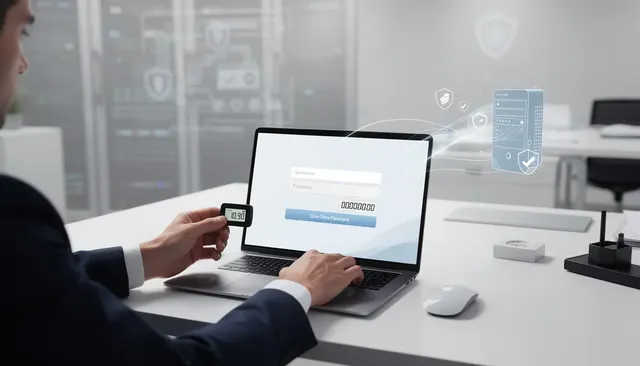
A one time password token is a device or application used to generate one time passwords for authentication. Hardware OTP tokens are physical devices that the user carries to generate one-time passwords, providing an extra layer of security. OTP tokens can be created using several generation methods including time-based and event-based algorithms.
OTP tokens generate codes using a shared secret key known only to the user’s device and the authentication server. These secret keys are securely stored on both the user's device and the authentication server to prevent unauthorized access.
OTP tokens improve security by including something you have along with something you know. OTP tokens mitigate risks from phishing, brute-force, and credential stuffing, which is especially important when securing remote workers with modern MFA solutions.
OTPs mitigate credential theft, rendering stolen static passwords useless without the unique OTP. OTPs protect against phishing, as stolen passwords alone cannot access accounts.
OTPs resist replay attacks, meaning that an OTP used for one session cannot be reused by an intruder. One-time passwords are not vulnerable to replay attacks, unlike traditional static passwords.
One Time Password
A one time password works by generating a temporary authentication code that is entered during the login process. OTPs are used to authenticate users when they attempt to gain access to a protected service or site.
During authentication, the user logs into a system using their username and password. The authentication server then prompts the user for a one time passcode. The user enters the code generated by their device or authentication app.
OTPs provide an additional security layer beyond traditional passwords, making them a widely used component of two-factor authentication. OTPs are often used in two-factor authentication systems, providing an additional security layer beyond traditional passwords.
OTPs enhance security by ensuring that a user who uses the same password across multiple systems is not vulnerable on all of them if one password is compromised.
OTP Tokens
OTP tokens can be either software-based (mobile apps) or hardware-based (physical devices). OTPs can be generated by hardware tokens or software applications.
OTP tokens can be generated by security token devices called OTP tokens, which can be hardware or software-based. Software OTP apps typically run on smartphones and can be free to use.
Hardware OTP tokens have an upfront cost for purchase and distribution, while software OTP apps are commonly free.
Many OTPs can function offline, avoiding risks associated with network-based delivery. Time-based OTP apps can generate codes locally without needing internet access.
OTP tokens generate codes using sophisticated algorithms that factor in various security elements. OTPs can be generated using sophisticated algorithms that incorporate various security elements, such as time-based data and device fingerprints. These codes or the shared secret keys used to generate them are often encrypted during transmission to enhance security, especially when sent over unprotected channels.
Hardware Token
Hardware OTP tokens are dedicated hardware devices for generating one-time passwords. Hardware OTP tokens are dedicated hardware devices for generating one-time passwords.
Hardware OTP tokens are generally more secure than software OTP apps because they are isolated and tamper-proof. A hardware device generating the one time password is less vulnerable to malware compared to mobile apps, similar to how hardware security keys and dongles strengthen authentication.
Hardware tokens can take various forms, including:
- Key fobs
- USB devices
- Display cards
For example, the Symantec VIP authenticator is a time-based one-time password token with an LCD screen to display the six-digit OTP code. The code generated by the Symantec VIP authenticator changes every 30 seconds.
Hardware OTP tokens can be lost, damaged, or stolen, which presents a risk to security. However, their physical isolation still makes them highly resistant to compromise.
Authentication Server
An authentication server plays a central role in validating OTP codes.
The server side stores the secret key associated with the user account. When the user enters the one time password, the authentication server calculates the expected value using the same algorithm and verifies that the code is valid.
Time-based one-time passwords are generated based on the current time and are synchronized between the user's device and the authentication server.
This synchronization ensures that the generated code matches the server verification process.
One Time Password (OTP)
A one time password system uses dynamic credentials rather than static passwords.
A one-time password (OTP) is a dynamically generated string of characters or numbers that authenticates a user for a single login attempt or transaction.
OTPs are generated using sophisticated algorithms that factor in various security elements.
OTPs can be delivered through various methods, including:
- SMS
- Dedicated authentication apps
Often, OTPs are sent as messages via SMS, email, or push notifications. While message-based delivery methods are convenient, they can be vulnerable to interception or phishing attacks, so security considerations such as encryption and secure channels are important.
Mobile authenticator apps are preferred over SMS for delivering OTPs due to the security vulnerabilities associated with SMS.
One-time passwords can also be sent via email, SMS, or generated by an authenticator app.
Some banks send OTPs to users via printed lists or scratch-off cards for online banking transactions.
Mobile Phone

Software-based OTP tokens often run on a mobile phone. These apps generate one time passwords directly on the mobile device.
Software OTP apps typically run on smartphones and can be free to use. Mobile authenticator apps are preferred over SMS for delivering OTPs due to security vulnerabilities associated with SMS.
Many authenticator apps allow users to generate codes without an internet connection, which increases reliability during authentication.
However, software OTP apps can be compromised by viruses or trojans if not designed by security specialists. Software OTP apps can also be expensive to support due to the risk of accidental deletion or loss of the device.
Time Password
A time password refers to a time-based one-time password system.
The most widely used type of OTP is the time-based one-time password. Time-based OTP tokens generate codes based on the current time and a shared secret key.
Time-based OTP systems generate codes at regular intervals, typically every 30 seconds. The short validity window prevents a potential intruder from reusing a previously generated code.
Event-Based OTP systems change codes only when a new one is requested. Event-Based OTPs change only when a new one is requested.
Strong Security
OTP tokens provide strong security for authentication systems.
They protect against phishing attacks, replay attacks, credential theft, and account takeovers. They also provide strong authentication for web applications and enterprise systems.
The use of OTPs can help organizations meet compliance requirements for authentication assurance levels, particularly when implemented as part of a multi-factor authentication system within a broader identity and access management framework.
OTPs help organizations meet strict security standards like PCI DSS and PSD2, especially when combined with modern password authentication protocols and federated security standards.
Time Based Authentication
Time based authentication is the most common OTP deployment model.
Time-based one-time passwords are generated based on the current time and are synchronized between the user's device and the authentication server.
This approach ensures that every generated code is unique and short-lived.
Time-based authentication helps protect login sessions by ensuring that each code generated is valid for only a brief period.
OTP Tokens and Modern Access Strategies
OTP tokens remain an important component of strong authentication. However, authentication strategies are evolving toward passkey-driven, passwordless experiences.
Combining OTP with Passwordless Methods
Modern identity systems increasingly combine OTP authentication with passwordless access methods, hardware security keys, and device-based identity signals.
Some authentication tokens, such as JSON Web Tokens (JWT), are based on open standards, which facilitate secure and interoperable authentication and underpin secure single sign-on deployments across enterprise systems.
Device Presence and Zero Trust
Solutions like Everykey’s Bluetooth-based authentication device approach authentication from an access-first perspective. Instead of requiring a user to manually enter a code during the login process, EveryKey confirms identity through verified device presence and proximity. This aligns with Zero Trust principles where identity is continuously confirmed while access remains seamless for legitimate users.
Browser-Based and Passkey Integration
Recent advancements in browser-based authentication methods have enabled seamless integration with OTP tokens, providing users with a smoother and more secure login experience directly within their web browsers and paving the way for passkey-based authentication.
OTP tokens still play a valuable role in authentication systems, especially when layered with additional identity signals.
Compliance and Risk Management
Compliance and risk management are critical considerations when deploying one time password (OTP) solutions in any enterprise environment. As organizations face increasing regulatory scrutiny and evolving security threats, implementing OTP tokens becomes a key strategy for ensuring strong authentication and protecting sensitive data.
Regulatory Compliance
OTP tokens, whether hardware devices like a key fob or software apps on mobile devices, help organizations meet the requirements of multi factor authentication by verifying a user’s identity for only one login session. This approach significantly reduces the risk of account takeovers, replay attacks, and unauthorized access that can occur with traditional passwords. By requiring a one time passcode in addition to a static password, organizations make it much harder for attackers to gain access, even if a password is compromised through phishing attacks or data breaches.
From a compliance perspective, OTP tokens support adherence to industry standards and regulations that mandate strong authentication and data protection. For example, frameworks like PCI DSS, PSD2, and GDPR often require organizations to implement multi factor authentication and robust access controls. OTP tokens generate one time passwords that are valid for only one login session, ensuring that even if a previous one time password is intercepted, it cannot be reused by a potential intruder. The authentication server verifies each code, adding another layer of security to the login process.
Risk Management Considerations
Risk management also involves considering the practical aspects of OTP deployment. Hardware tokens, such as key fobs, offer strong security but can be lost or stolen, potentially impacting access and requiring secure replacement processes. Mobile devices provide a convenient form factor for generating OTPs, but organizations must address risks like device loss, theft, or battery life issues. To mitigate these risks, additional controls such as encryption, secure storage of secret keys, and requiring both a username and password alongside the OTP can be implemented.
By taking a comprehensive approach to compliance and risk management, organizations can ensure that their OTP systems not only provide strong authentication but also align with regulatory requirements and industry best practices. This builds trust with users, protects against unauthorized access, and helps demonstrate compliance during audits or assessments. Ultimately, integrating OTP tokens into a broader security strategy strengthens the organization’s overall security posture and reduces the risk of costly data breaches or compliance violations by reinforcing overall identity security across users and devices.
FAQ
What is a one time password token?
A one time password token is a hardware or software device that generates temporary authentication codes used during login.
Are hardware OTP tokens more secure than mobile apps?
Hardware OTP tokens are generally more secure because they are isolated and tamper-resistant.
Do OTP tokens require internet access?
No. Many OTP tokens generate codes locally and can function offline.
What is the difference between HOTP and TOTP?
A HMAC-based One-Time Password (HOTP) generates codes based on events, while a Time-based One-Time Password (TOTP) generates codes based on the current time.
Why are OTP tokens used in multi factor authentication?
They add a second authentication factor, making it much harder for attackers to gain access using stolen passwords.