Iris Scanner Technology Explained: How Iris Recognition Systems Improve Identity Verification
A technical guide to iris scanners, iris recognition systems, OCR scanning devices, and biometric identity verification for modern security and access systems.

Introduction to Biometric Verification
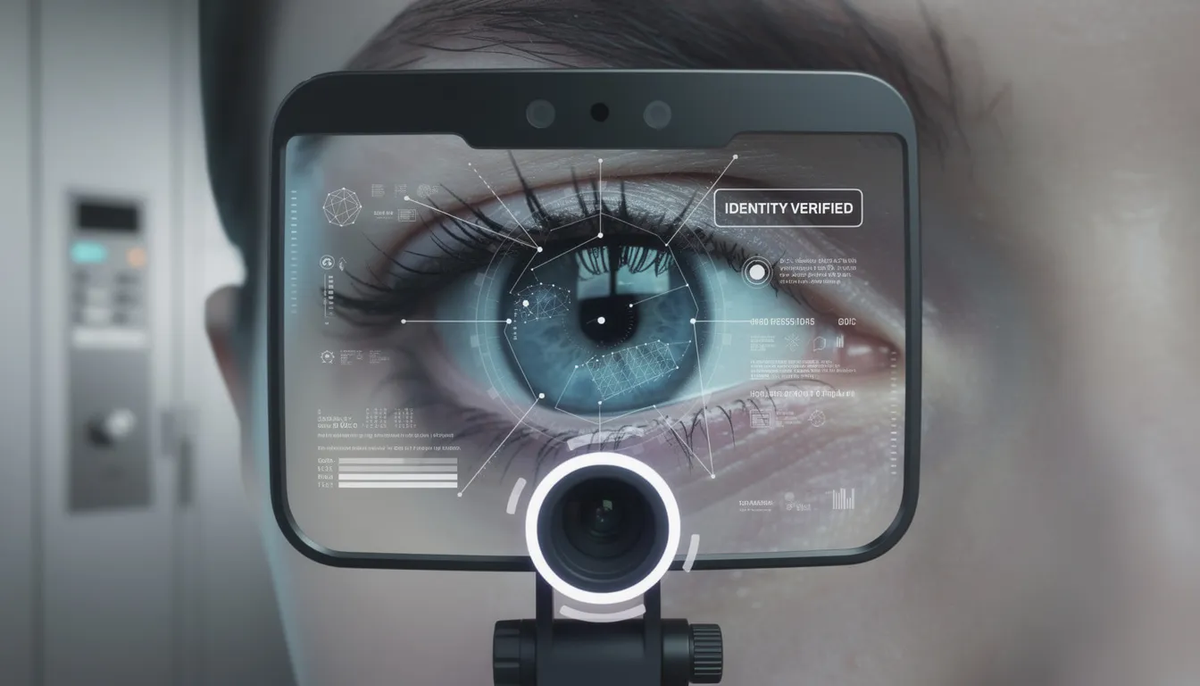
Biometric verification is transforming the way organizations approach security and identity verification. By leveraging unique physical characteristics, such as the intricate patterns found in the human iris, biometric systems for authentication offer a highly secure and efficient method for confirming identity. Iris recognition stands out among biometric technologies for its exceptional accuracy and reliability, thanks to the unique patterns present in every individual’s iris. With the integration of advanced iris cameras and OCR software, the verification process becomes both seamless and robust, allowing organizations to quickly and securely verify identities across a range of applications. Whether used for accessing secure facilities, processing ID cards, or streamlining document scanning workflows, iris recognition technology is an ideal solution for environments where security and precision are paramount.
Iris Scanner
How Iris Scanners Work
An iris scanner is a biometric device designed to capture high resolution images of the human iris and convert those images into digital templates used for identity verification. The technology analyzes the unique patterns in the colored ring surrounding the pupil, allowing systems to accurately verify a person's identity.
Iris recognition is an automated method of biometric identification that uses mathematical pattern-recognition techniques on video images of the irises of an individual's eyes. The iris has a fine texture that is determined randomly during embryonic gestation, making it unique to each individual. Because of this natural randomness, iris recognition has become one of the most reliable biometric technologies in the world.
The iris is considered an ideal part of the human body for biometric identification due to its protection and stability over time. Iris recognition is more stable over time compared to fingerprints, which can be affected by wear and tear.
The commercially deployed iris-recognition algorithm, John Daugman's IrisCode, has an unprecedented false match rate, making it one of the most reliable biometric technologies. Iris recognition has a very low false match rate, making it one of the most reliable biometric technologies.
Advantages of Iris Scanning
- High accuracy due to unique and complex iris patterns
- Stability over time, as the iris is protected and less prone to change
- Non-contact process, making it hygienic and suitable for high-traffic environments
- Anti-spoofing technology to prevent the use of high-resolution photos for authentication
Iris scanners include anti-spoofing technology to prevent the use of high-resolution photos for authentication. These systems analyze image depth, reflections, and subtle eye movements to ensure the scanner is capturing a live human iris rather than a printed picture.
Limitations and Challenges
- Requires the user to be relatively close to the sensor for accurate results
- Bright lighting and certain eye conditions can interfere with iris scanning accuracy
- Susceptible to poor image quality, which can lead to higher failure to enroll rates
Despite these challenges, iris recognition can be performed without the need for physical contact, unlike fingerprint scanning. This makes the technology ideal for high traffic environments and secure facilities as organizations move toward passwordless, biometric and adaptive authentication.
Document Scanner
While iris scanners focus on biometric verification, document scanner technology is often used alongside biometric systems for identity verification workflows.
Organizations frequently scan passports, ID cards, contracts, and paper records using document scanners before combining that information with biometric identity systems.
For example, the IRIScan Desk 7 Pro is a document scanner priced at $299.00. It is designed to capture documents, contracts, and ID cards using a camera mounted above the scanning surface. The device can create high resolution image files and convert scanned pages into searchable text using OCR software.
In government or airport environments, document scanners often capture passports or identification cards while biometric systems verify the identity of the person presenting the document as part of broader digital ID verification workflows.
This combination allows organizations to verify identity, extract information, and create digital records for compliance and security processes.
Iris Recognition
Global Adoption
Iris recognition is widely used in security systems and identity management platforms around the world.
- Iris scanning is used at airports for passenger processing and identity verification.
- Iris scanning is employed in security screening processes at airports to verify identities against watch-lists.
- Iris recognition technology is utilized in automated border-crossing systems to enhance security and convenience.
- Iris recognition is used for national ID systems in countries like India, where over 1.2 billion citizens have enrolled in the UIDAI program.
- By December 2022, enrollment in iris recognition systems worldwide had reached record numbers, illustrating the rapid scale of adoption.
- Iris scanning is employed in national ID programs like India’s Aadhaar and Pakistan’s NADRA.
- Canada has also adopted iris recognition technology for government IDs, immigration, and border control, making it a key part of national biometric projects.
Iris scanning technology is being integrated into civic management systems for citizen registration in Pakistan, often alongside federated identity management frameworks that enable secure data sharing across agencies.
Healthcare Applications
In healthcare environments, iris scanners can accurately identify patients in hospitals to prevent infant theft.
Banking and Civic Use
Iris recognition systems are also being developed for use in banking sectors to enhance security measures, especially as mobile identity and phone-centric security become central to digital financial services.
Because the iris contains complex unique patterns, the technology can perform accurate identity matching even across very large populations. Iris recognition is exceptional in avoiding false matches even in cross-comparisons across massive populations, making it a powerful component within broader identification in cyber security strategies.
Iris recognition can be accomplished from distances of up to 10 meters away or in a live camera feed, although it is typically difficult without cooperation.
It is important to note that iris recognition technology is significantly more expensive than other biometric methods such as fingerprint scanning, which can impact its adoption in some regions.
OCR Software
OCR software works with document scanners to transform scanned paper documents into editable digital text.
OCR, or optical character recognition, extracts text from images, documents, or scanned pages and converts it into searchable word files or PDF documents.
The IRIScan Express 4 can scan documents to PDF and is equipped with OCR software. OCR software allows organizations to extract text from scanned contracts, invoices, and documents.
This process helps organizations digitize paper archives and manage sensitive data more efficiently.
OCR systems are commonly used by businesses, students, and government organizations to transform printed documents into digital information that can be indexed and searched, then governed through centralized enterprise identity management systems that control who can access sensitive records.
Portable Scanner
Portable scanner technology allows users to scan documents while traveling or working remotely. These products are specifically designed to be carried anywhere, making them convenient for use at home, in the office, or while on the go.
For example, the IRIScan Anywhere 6 is a portable scanner product priced at $199.00, featuring standalone scanning capabilities without needing a computer connection.
Another portable product option is the IRIScan Express 4, which is USB powered and designed for easy transport.
These compact products allow professionals to scan receipts, contracts, and documents quickly while maintaining a lightweight and portable workflow, and they can feed directly into SOC 2 compliance automation software for streamlined evidence collection.
Pen Scanner
Pen scanners provide another compact scanning solution for reading printed text.
A pen scanner works by moving the device across a printed page to capture text and convert it into digital words.
For example, the IRISPen Air 8 is a handheld scanner priced at $199.00 and can capture text from books, documents, or printed material.
Pen scanners are ideal for students, researchers, and professionals who need to quickly extract text from physical documents, especially in organizations that rely on SCIM-based identity provisioning to control access to the resulting digital content.
Iris Cameras
Iris cameras are specialized imaging devices designed to capture high resolution pictures of the iris.
These cameras are optimized to capture detailed images of the human iris even under varying lighting conditions.
Iris recognition works with clear contact lenses, eyeglasses, and non-mirrored sunglasses, allowing for flexibility in various environments.
The IriShield series offers an ultra-compact iris scanner with onboard recognition and a PKI-based security infrastructure.
The IriShield series is available in three packages: Encased Device, Module, and Chip & Camera Set.
These devices include onboard processing that converts iris images into biometric templates used for identity verification systems.
Iris ID
Iris ID refers to the process of matching an iris scan against stored biometric templates.
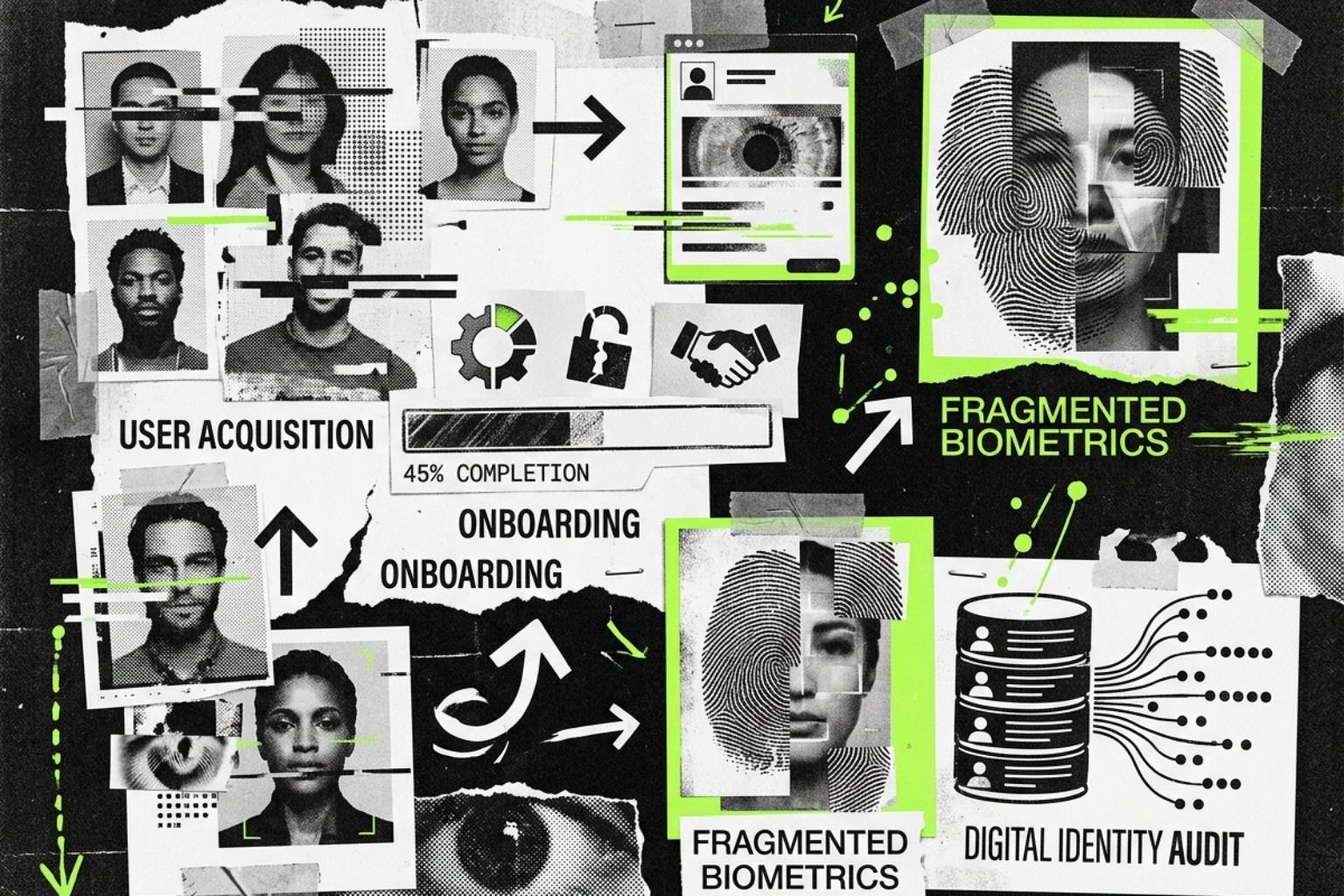
The system captures a high resolution image of the iris using a camera, then extracts mathematical features from the image to create a digital identity template.
During verification, the iris matching process compares the captured iris pattern with stored templates in a database.
Because the iris contains highly complex unique patterns, iris matching provides extremely high accuracy and reliability.
The system uses biometric algorithms to verify the identity of the user with high precision.
Reading Pen
Reading pens are specialized scanning tools designed to help users capture and translate text.
A reading pen works by scanning printed text and converting it into digital words using OCR technology.
These devices can translate languages, capture text from books, and help students read or analyze documents more efficiently.
Reading pens are lightweight, compact, and easy to carry. They are designed for students, researchers, and professionals who frequently work with printed material, including teams preparing documentation and evidence for SOC 2 Type 2 compliance.
Security and Biometric Identity Systems
Role of Iris Scanning in Modern Security
Iris scanning technology plays an important role in identity verification systems across government, healthcare, and financial sectors, and is a key modality within modern biometric authentication systems.
Integration with Access Management
Organizations increasingly combine biometric technologies with modern access platforms to improve security and streamline identity verification processes, often integrating them with comprehensive Identity and Access Management (IAM) tools.
For example, biometric identity signals can complement device presence verification systems. Platforms such as EveryKey focus on confirming user presence across devices through proximity signals. Within a Zero Trust security framework, identity verification happens continuously so trust remains constant while access remains simple for users.
Enhancing Security and User Experience
This combination of biometric verification and presence-based identity confirmation helps organizations protect sensitive systems without creating unnecessary friction for users.
Privacy Considerations
As iris recognition and other biometric verification technologies become more widespread, privacy considerations are increasingly important, especially given the potential for biometric data breaches and backlash. Organizations deploying these systems must implement strong security measures to safeguard sensitive biometric data and comply with relevant privacy regulations. This includes encrypting iris scan data, restricting access to authorized personnel, and regularly reviewing security protocols to prevent unauthorized use or data breaches. Transparency is also crucial — individuals should be clearly informed about how their iris data will be used, stored, and protected, and their consent must be obtained before any data is collected. By prioritizing privacy and security, organizations can foster trust and demonstrate responsible use of advanced verification technology while supporting requirements like SOC 2 security and privacy controls.
Best Practices for Iris Scanning
To achieve the highest levels of accuracy and reliability in iris scanning, organizations should follow several best practices.
- Use high-quality, calibrated iris cameras to ensure clear and detailed image capture.
- Ensure the scanning environment is well-lit and free from excessive glare or reflections.
- Provide users with clear instructions on how to position their eyes, ensuring the iris is centered and in focus for optimal results.
- Keep iris scanning software up to date, maintaining compatibility with the latest devices and operating systems.
- Establish comprehensive policies for securely handling and storing biometric data, including regular reviews of security measures and compliance with privacy standards.
By following these guidelines, organizations can create a secure and efficient environment for biometric identity verification and strengthen their broader identity security posture.
Future Developments
The future of iris recognition and biometric verification is bright, with ongoing advancements poised to enhance both accuracy and speed. Emerging technologies are making iris scanning even more precise and user-friendly, paving the way for new applications such as iris-enabled payment systems and secure digital identity cards. As these innovations are adopted, organizations will benefit from faster verification processes and improved security for sensitive transactions and access control. However, as the technology evolves, it remains essential to prioritize Zero Trust-aligned security practices, privacy, and user experience to ensure widespread acceptance and trust. By staying at the forefront of these developments, organizations can leverage the full potential of iris recognition technology to deliver secure, reliable, and convenient identity verification solutions.
FAQ
What is an iris scanner?
An iris scanner is a biometric device that captures images of the iris and analyzes unique patterns to verify a person's identity.
How accurate is iris recognition?
Iris recognition has a very low false match rate, making it one of the most reliable biometric technologies available.
Can iris scanners work with glasses or contact lenses?
Yes. Iris recognition works with clear contact lenses, eyeglasses, and non-mirrored sunglasses.
Where is iris scanning used?
Iris scanning is used in:
- Airports
- Hospitals
- National ID programs
- Border control systems
Is iris recognition better than fingerprint scanning?
Iris recognition is often considered more stable over time and can be performed without physical contact, unlike fingerprint scanning.