

Authentication
How SAML 2.0 Authentication Makes Single Sign On a Breeze
SAML 2.0 authentication is the open standard that powers enterprise single sign-on. Here's how it works, where it falls short, and what to use instead.
Single sign-on (SSO) lets users authenticate once and access multiple applications through federated identity. Coverage of SAML, OIDC, and OAuth flows, identity provider integrations, SSO bypass risks, and the architectural patterns that centralize and harden access across modern enterprise SaaS estates.
SAML 2.0 authentication is the open standard that powers enterprise single sign-on. Here's how it works, where it falls short, and what to use instead.
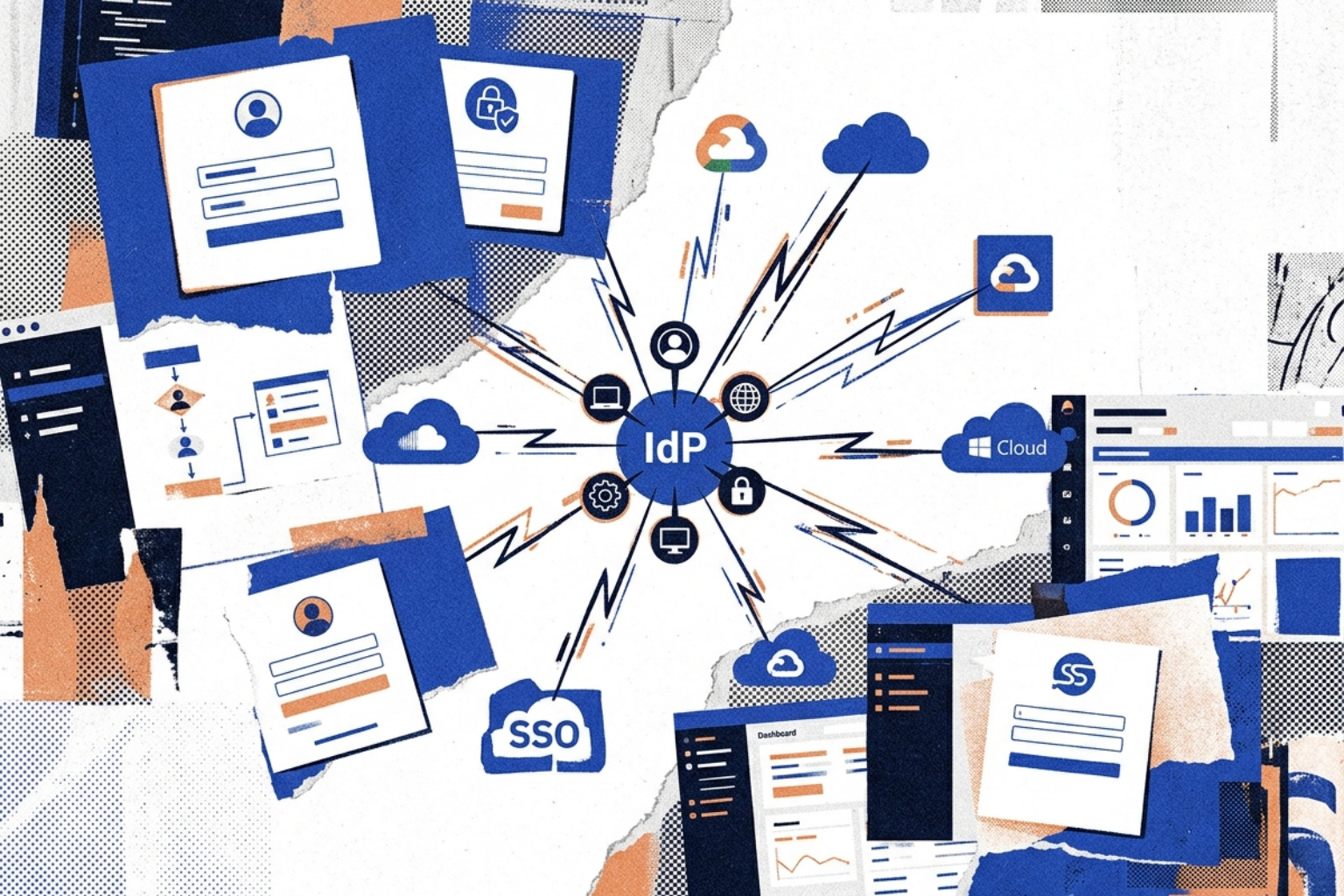
Federated identity management lets users log in once and access services across organizational boundaries. Here's how the protocols and trust models work.

Managing SSO across cloud apps, hybrid infrastructure, and external identity providers requires clear, accurate documentation. This guide covers the full scope — from authentication flows and protocol configuration to provisioning, troubleshooting, and maintaining a strong security posture.

SSO best practices explained — MFA integration, centralized identity providers, logging, and monitoring for secure, scalable enterprise access management.

SAML, OpenID Connect, identity providers, and service providers explained — a practical SSO documentation guide for cloud and on-premises implementations.

SSO best practices for enterprise — MFA, SAML, OpenID Connect, and federated identity strategies that simplify access while strengthening security.

Single sign-on portals explained — how SSO reduces credential friction, cuts IT overhead, and improves enterprise security across HR, finance, and cloud platforms.