
Threat Intelligence
The Cat and Mouse Game of Malware Evasion and Countermeasures
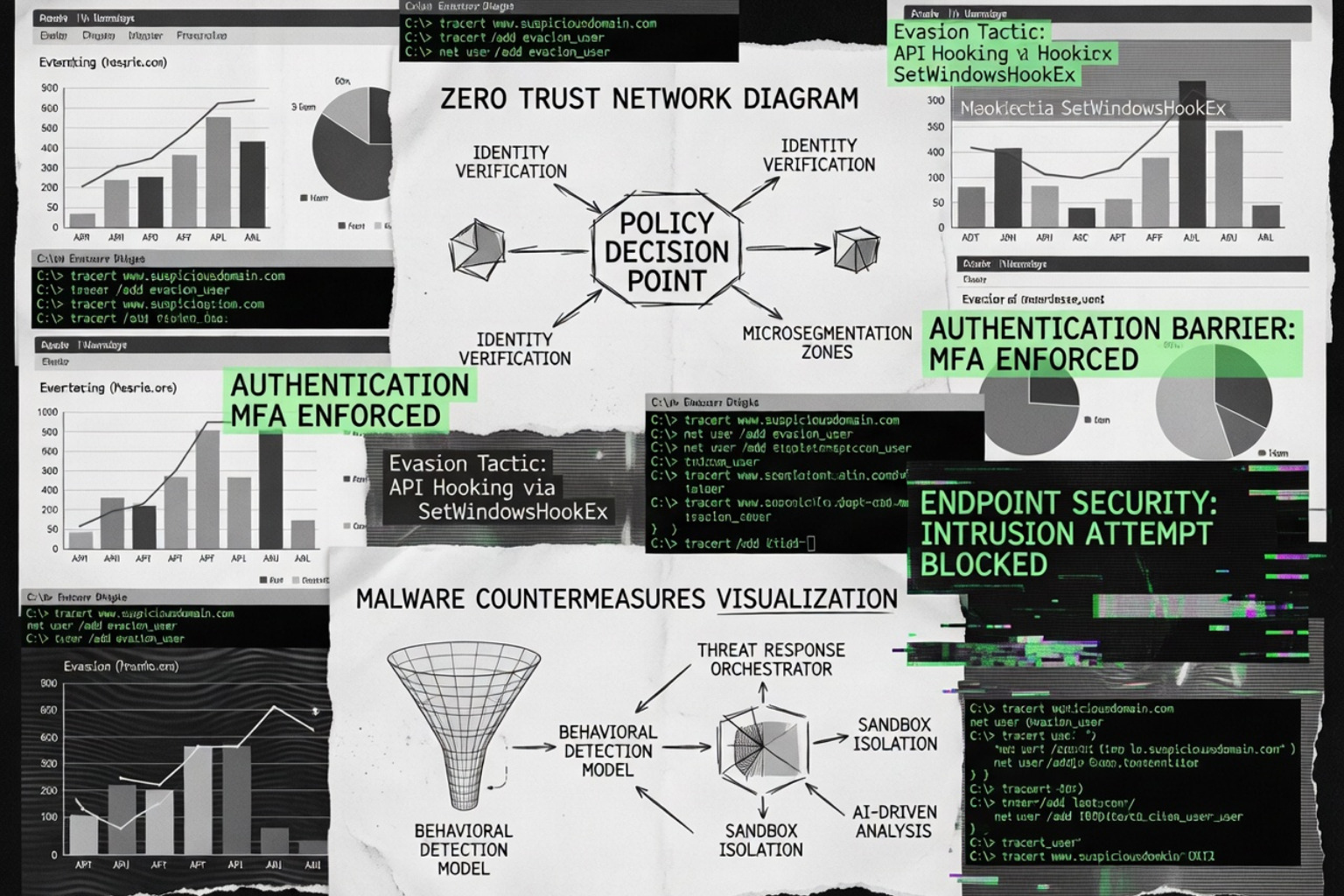
Modern malware uses obfuscation, polymorphism, and anti-sandbox tricks to evade detection. Here are the countermeasures that actually work against them.
Incident response covers the processes, playbooks, and tooling organizations use to detect, contain, and recover from security incidents. Coverage of IR planning, NIST and SANS frameworks, SIEM and SOAR integration, tabletop exercises, forensic preservation, regulatory notification requirements, and the post-incident reviews that drive control improvements.
Modern malware uses obfuscation, polymorphism, and anti-sandbox tricks to evade detection. Here are the countermeasures that actually work against them.
Threat intelligence feeds deliver IOCs, malicious domains, and file hashes in real time. These 10 feeds are essential for any SOC defending against malware.

Reacting to attacks after the fact is no longer enough. Threat intelligence gives security teams the context to anticipate adversary behavior and act first. This guide covers the intelligence lifecycle, types of threat data, and how to operationalize it for your organization.

Cyber incident reporting isn't optional — regulators, insurers, and boards all expect timely, accurate disclosure. This guide covers when to report, to whom, what to include, and how proactive reporting protects your organization from penalties and repeat breaches.

Zero-day vulnerabilities remove every defender's most critical advantage — time. With no patch and no signatures to match, even fully updated organizations can be compromised. This breakdown covers why zero-days are now an expected threat and what resilient IT teams do differently.