Authentication
How SAML 2.0 Authentication Makes Single Sign On a Breeze
SAML 2.0 authentication is the open standard that powers enterprise single sign-on. Here's how it works, where it falls short, and what to use instead.
In-depth cybersecurity guides covering identity, MFA, zero trust, IAM platforms, password managers, passkey rollouts, and the operational decisions IT and security teams face when designing or upgrading enterprise security programs in real environments.
SAML 2.0 authentication is the open standard that powers enterprise single sign-on. Here's how it works, where it falls short, and what to use instead.
Endpoint Detection and Response is now table stakes for cybersecurity. Learn how EDR works, how it differs from EPP and XDR, and which platforms lead in 2026.
Signature-based detection misses modern threats. This guide covers behavioral analysis, ML-powered EDR, XDR integration, and real-time threat intelligence.
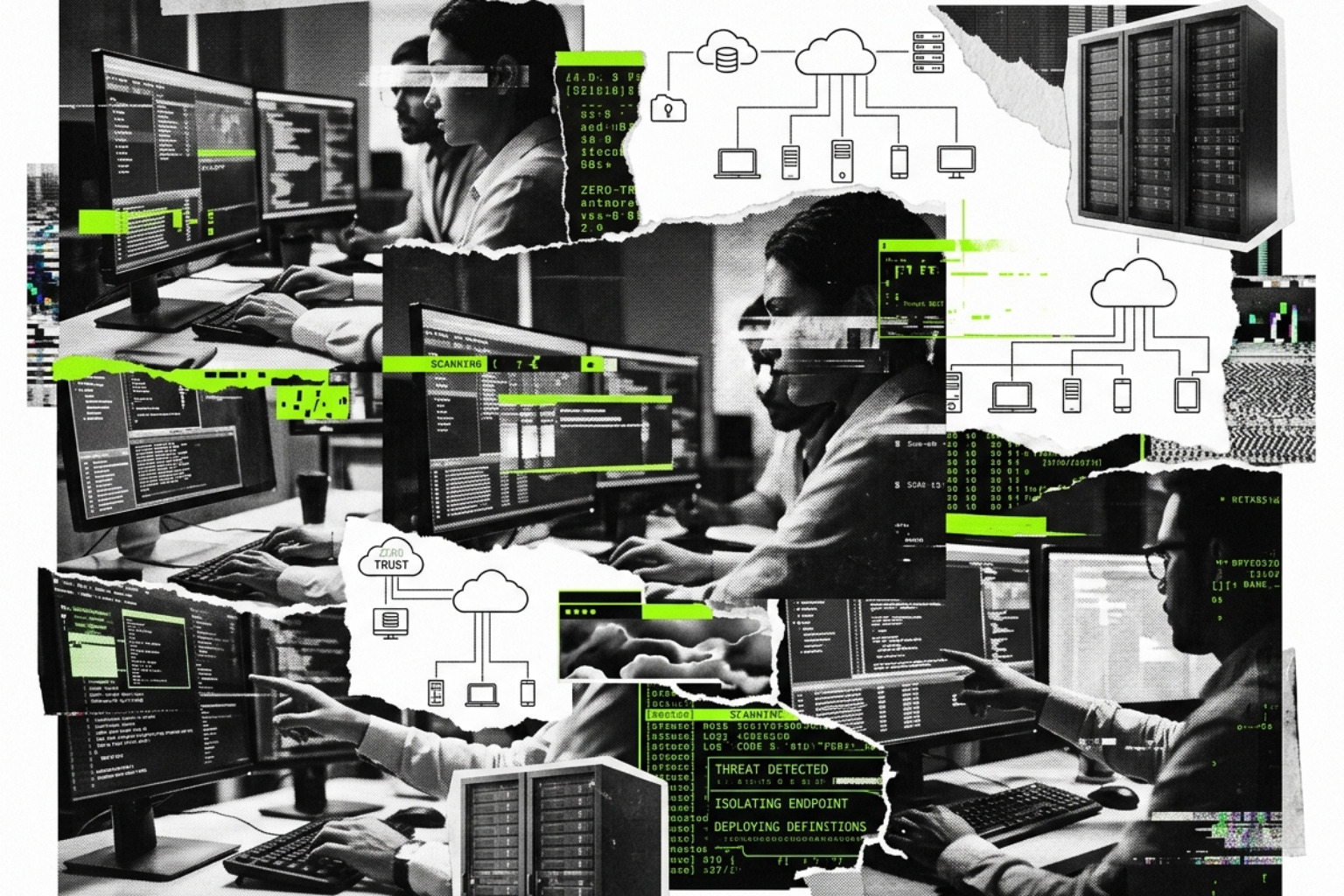
Deploying antivirus across an enterprise takes more than clicking install. This guide covers ring deployment, EPP vs EDR selection, and phased rollout.
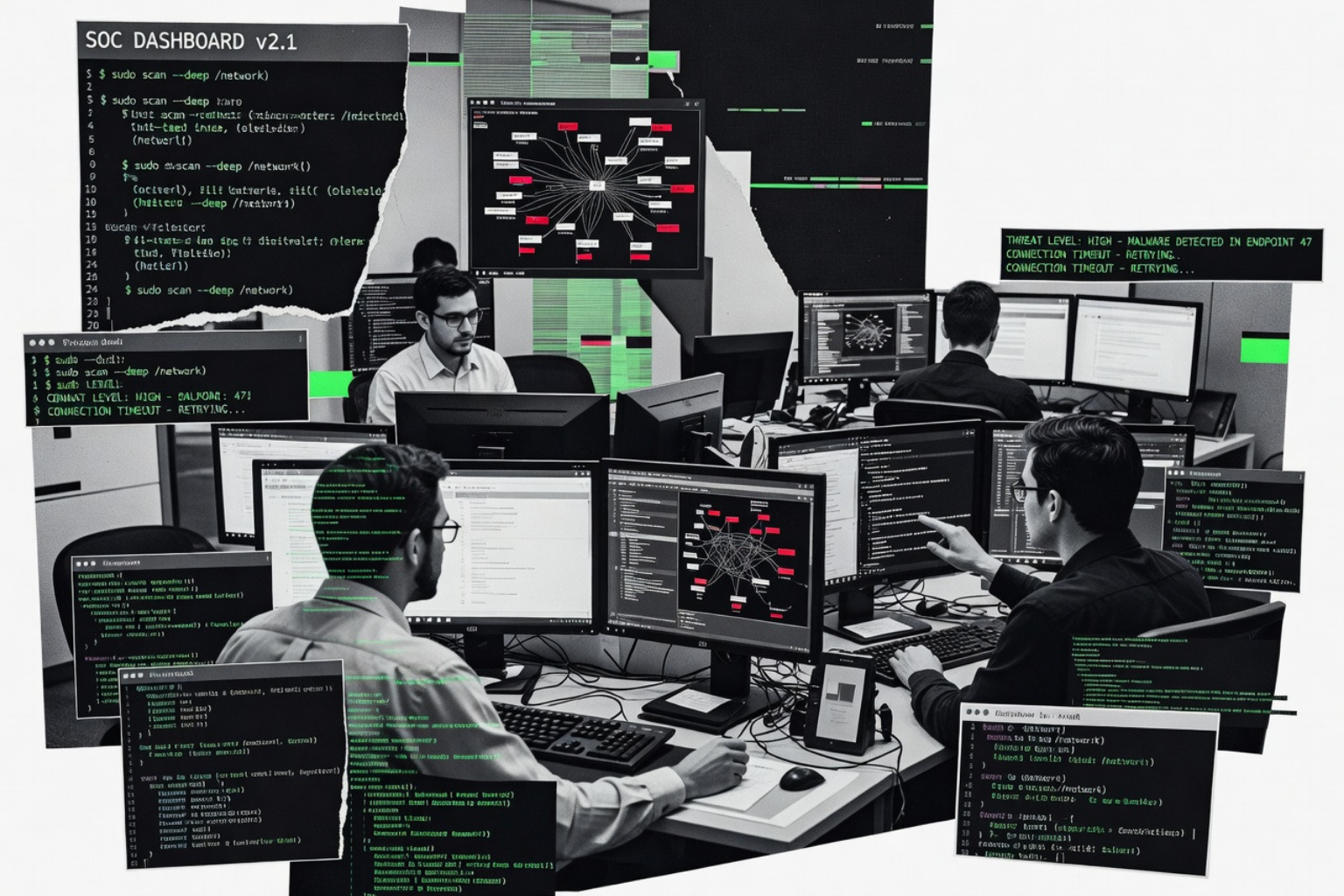
Most breaches start at the endpoint. This comprehensive guide covers EDR, MDR, XDR, next-gen antivirus, and the hardening strategies enterprises need now.
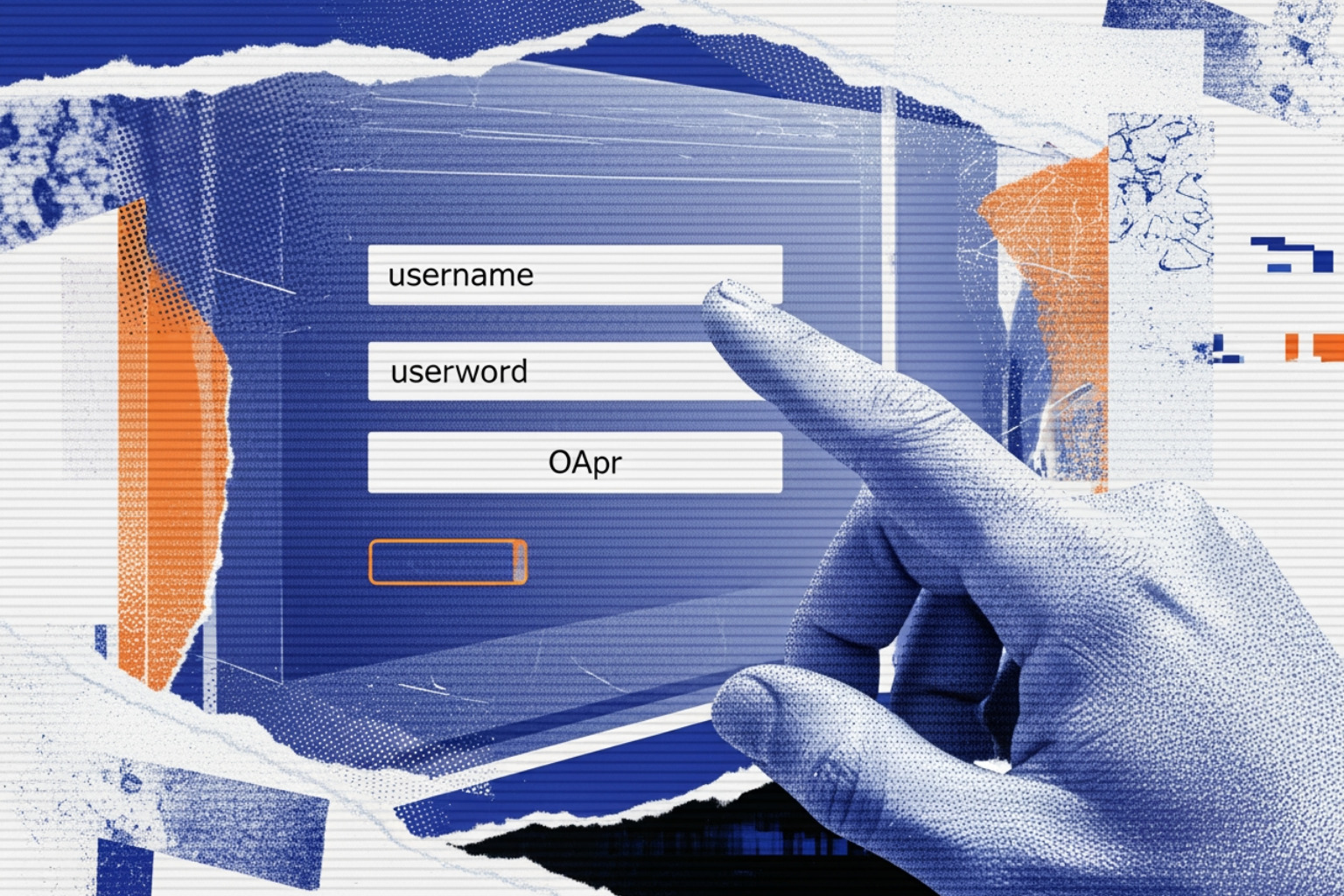
The login form is the most attacked surface on the web. Here's how to implement form-based authentication correctly with modern security controls.
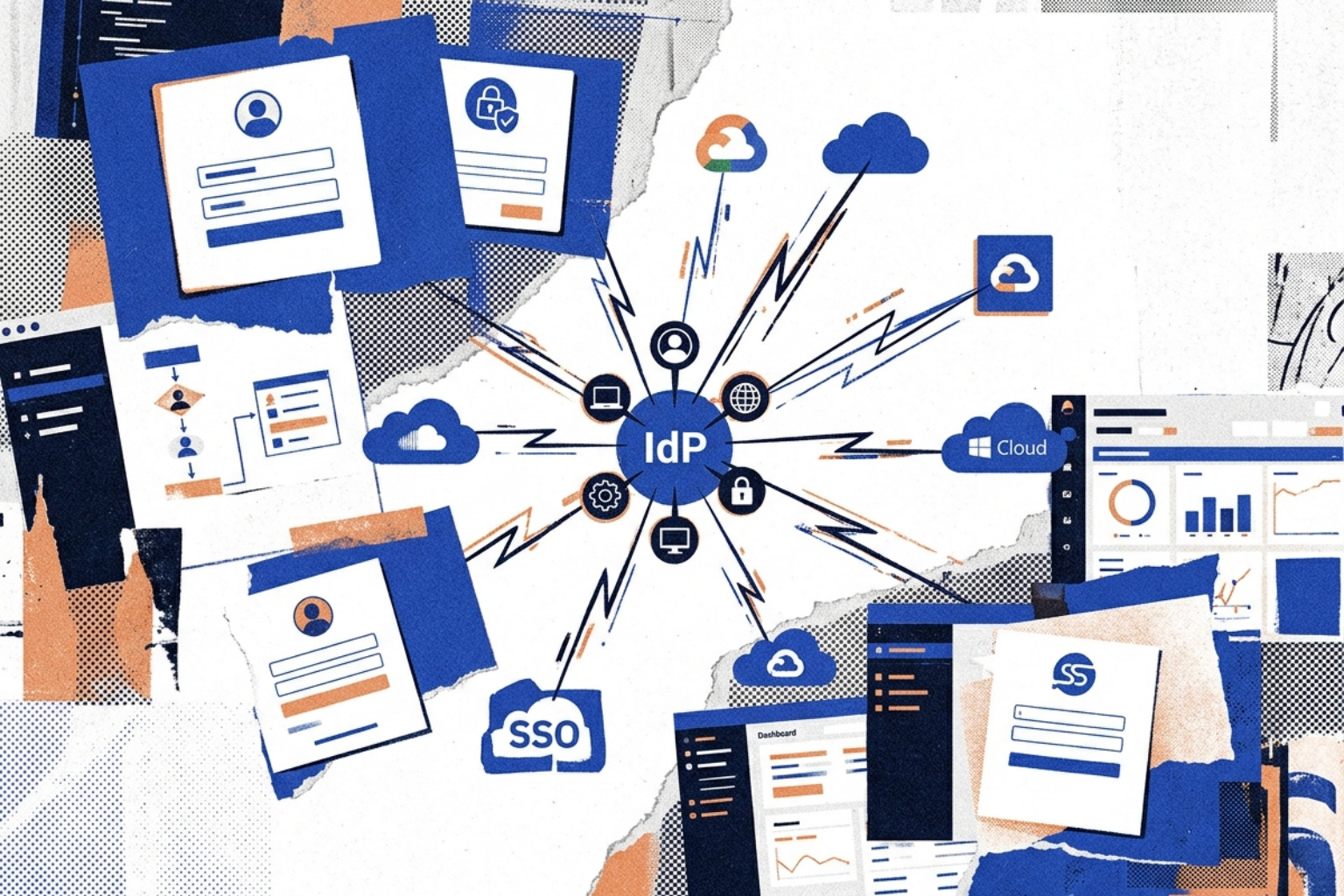
Federated identity management lets users log in once and access services across organizational boundaries. Here's how the protocols and trust models work.

The CHAP protocol verifies network identities using a challenge-response mechanism that never transmits the password. Still embedded in DSL, VPN, and RADIUS infrastructure, it remains relevant but carries real risks network teams need to understand.

Privileged access governance (PAG) answers three questions at all times: who has elevated access, should they still have it, and what did they do with it. This guide covers PAG framework design, JIT access, IGA integration, and compliance alignment for security teams.