Top Access Control Tech Solutions for Enhanced Security and Efficiency
Access control technology has evolved far beyond key cards and door locks. This guide reviews the top access control tech solutions for 2026, covering biometric systems, smart credential platforms, cloud-based IAM, and zero-trust access models that protect both physical and digital environments.

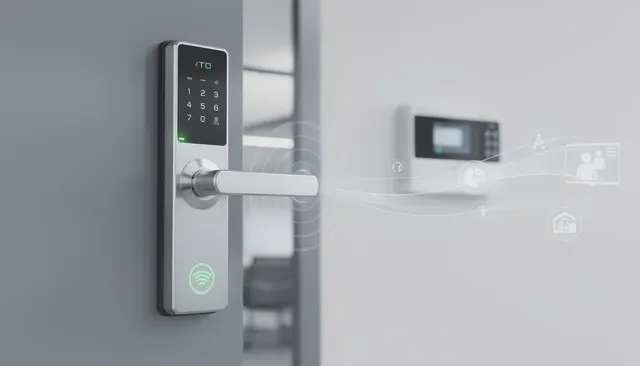
Access control tech includes systems, software, and devices that verify users and control access to physical or digital environments.
Access security control refers to the systems, devices, and software platforms that verify users and manage who can enter secure areas or access digital systems. Access control technology has transformed from a very basic physical technique to the best access control technology powered by computers and software platforms.
This guide covers the fundamentals of access control technology, its components, types, and best practices. It is intended for security professionals, IT managers, and business owners seeking to understand and implement modern access control solutions to protect their assets and data. Understanding access control tech is crucial for safeguarding property, people, and sensitive information from both external and internal threats.
Modern access control tech is designed to integrate seamlessly with existing hardware, ensuring compatibility with current security infrastructure and business tools.
Modern access control solutions can be managed via cloud-based platforms, offering flexibility and scalability. This shift toward cloud based access control allows organizations to manage access rights remotely, monitor activity in real time, and generate detailed reports for compliance and oversight.
Summary: What Is Access Control Tech?
Access control technology is a means of controlling access to specific areas or digital resources to safeguard people and assets. The main components of an access control security system include:
- Hardware: Devices such as card readers, electric locks, door controllers, and biometric scanners.
- Software: Platforms that manage user permissions, run audits, and integrate with other security systems. This software can be hosted on-premise or in the cloud for remote management.
- Communication Technologies: Systems that connect hardware and software, enabling real-time monitoring, reporting, and integration with other security solutions like video surveillance.
The most common types of access control include:
- Role-Based Access Control (RBAC): Permissions are assigned based on user roles and groups.
- Discretionary Access Control (DAC): Data owners assign access rights to users.
- Mandatory Access Control (MAC): Strict policies are enforced on users and the data they can access.
- Attribute-Based Access Control (ABAC): Access is granted based on dynamic attributes such as time, location, or device.
- Mobile Access Control: Uses smartphones and mobile devices as credentials for entry.
- Biometric Authentication: Utilizes unique physical traits like fingerprints or facial recognition.
- Multi-Factor Authentication: Combines two or more verification methods for enhanced security.
Access control systems work by authenticating, authorizing, and granting access at specific entry points, and can be integrated with video surveillance and other security measures for comprehensive protection.
Introduction to Access Control
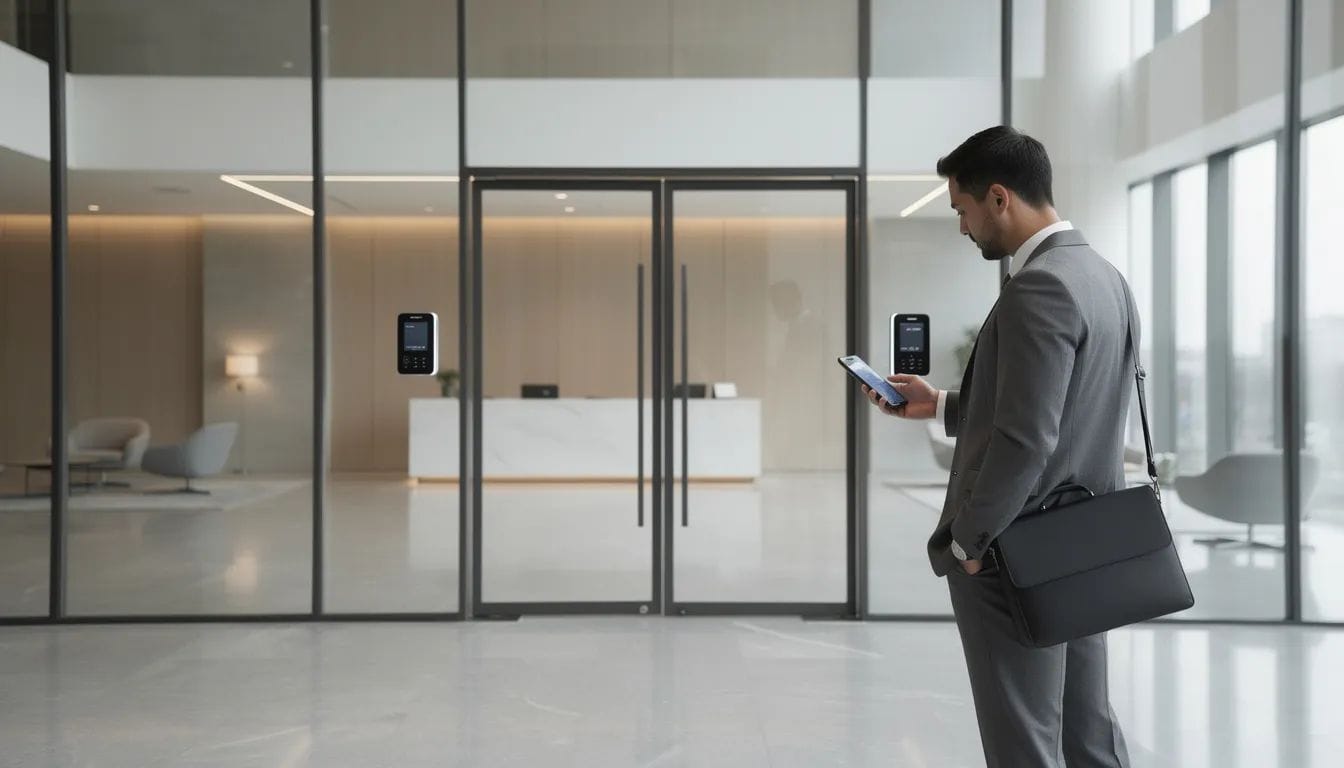
Access control is a foundational element of security management, designed to regulate who or what can access physical spaces or digital resources. An access control system combines hardware and software to manage and enforce permissions, ensuring that only authorized individuals can enter secure areas, access sensitive data, or interact with valuable assets. Modern access control technologies offer a range of solutions, from traditional key cards and PIN codes to advanced mobile access control and biometric authentication. These systems are built on various models, including attribute based access control, role based access control, and mandatory access control, each tailored to specific security requirements. By leveraging access control devices, robust access control software, and mobile access control options, organizations can effectively manage access, protect sensitive data, and maintain the integrity of secure areas. Understanding the components and technologies behind access control systems is essential for creating a secure environment where only authorized individuals have access to critical resources.
Access Control
Access control is a means of controlling access to a specific area to safeguard people and assets. Access control systems restrict access or entry to certain areas to protect property, people, and sensitive data. Only authorized individuals are granted access at specific access points.
Access control systems work by authenticating, authorizing, and granting access at specific entry points. Whether managing door hardware, server rooms, or valuable assets, access control ensures that users are verified before access is granted.
Access control systems work by authenticating, authorizing and granting access at specific entry points. This process provides an extra layer of protection against intrusion detection alerts, data breaches, and unauthorized access attempts.
Access Control System
An access control system consists of hardware, software, and communication technologies. The key components of an access control security system include hardware, software, and communication technologies.
Access control systems can include hardware options such as card readers, electric locks, and door controllers. Electronic or smart locks are electrically powered and interface with a computer system to log entry data. Wireless locks can be integrated into access control systems to enhance security and convenience.
Access control solutions can be managed by a server device running special access control software that stores user permissions and manages access control panels. Access control systems can take inputs from other systems and generate outputs to interface with other systems for enhanced security management.
Professional installation of access control systems is essential for proper integration and functionality. A professional access control installer should assess your building's layout and safety needs before installation. Best practices include considering the size of your premises and the number of users when implementing access control systems.
Access Control Technologies
Modern access control technologies include intelligent hardware components powered by backend software and integrated through modern communication technologies. These technologies support smart access control, mobile access control, and biometric authentication.
Access control systems can integrate with video surveillance systems to enhance security and situational awareness. Access control systems can integrate with video security cameras and other security measures to enhance situational awareness.
Common authentication methods include:
- Biometric systems: Use unique physical traits like fingerprints, facial recognition, or iris scans for high-security areas.
- Keypad or PIN systems: Require users to enter a numeric code for access.
- Key cards and key fobs: Serve as physical access credentials.
- Mobile credentials and mobile apps: Allow users to authorize entry using smartphones and other mobile devices.
Mobile access control allows users to authorize entry using smartphones and other mobile devices, enhancing convenience and security. Mobile access control uses smartphones and other mobile devices to authorize entry to secure areas.
Access Control Solution
An access control solution can be cloud-based or on-premise, depending on the organization’s needs. Many access control solutions are designed to be compatible with existing hardware, allowing organizations to upgrade their security without replacing their entire infrastructure. Access control solutions can be cloud-based or on-premise, depending on the organization’s needs. Organizations should decide on an on-premise or a cloud-based system for their access control needs.
Access control solutions can streamline operations by integrating with existing security systems and business tools. Understanding if existing business security systems can integrate with an access control system is crucial for implementation.
Access control solutions can be managed via an app, simplifying entry management for users. Continuous oversight ensures that access control points and credentials function securely and reliably.
Access Control Software
Access control software manages user permissions, runs audits, and integrates with other security systems. Access control software can be hosted in a cloud environment, allowing for remote management and access.
Integration at the software level can unlock additional functionalities in access control systems, such as user profile management. Access control software should offer frequent, automatic updates and strong customer support for future-ready security.
Regular software and firmware updates are necessary to enhance the security and efficiency of access control systems. Regular software and firmware updates enhance security, compliance, and system efficiency in access control systems.
Access control systems can provide instant notifications for unauthorized access attempts or system malfunctions.
Attribute Based Access Control
Attribute-Based Access Control (ABAC) grants access based on dynamic conditions like time of day or location. ABAC evaluates attributes such as user role, location, device, and time to determine access permissions, making it highly flexible for complex environments.
Role-Based Access Control (RBAC): Creates permissions based on groups of users and roles that users hold. This model is ideal for organizations with structured hierarchies, as it simplifies permission management by grouping users according to their job functions.
Discretionary Access Control (DAC): Allows the data owner to decide access control by assigning access rights to users. DAC provides flexibility but can be less secure if not managed properly, as individual users have the authority to grant access.
Mandatory Access Control (MAC): Places strict policies on individual users and the data they want to access. MAC is typically used in environments requiring high security, such as government or military organizations, where access policies are centrally controlled and cannot be altered by users.
Attribute-Based Access Control (ABAC): Grants access based on dynamic conditions like time of day or location. ABAC is suitable for organizations needing granular and context-aware access decisions.
These models are foundational to access control systems, and organizations often use a combination of them to align with their security requirements and operational workflows. Each model defines how permissions are assigned and enforced, contributing to the overall effectiveness of the access control system.
Rule-Based Access Control grants access based on specific conditions such as time of day or location. There are various types of access controls that organizations can implement, including role-based access control and discretionary access control.
Break-glass access control involves creating an emergency account that bypasses regular permissions for critical situations.
Based Access Control
Based access control models include role based access control, rule based access control, attribute based access control, and mandatory access control. These models allow organizations to control access levels according to specific security needs.
Each approach supports secure access while aligning with operational workflows. For example, role based access control is ideal for large organizations managing many employees across departments.
How Access Control Works
How does access control work in practice? Access control systems work by authenticating, authorizing, and granting access at specific entry points.
A reader device scans access credentials, such as key cards, mobile credentials, or key fobs. The access control server verifies permissions stored in the access control software. If permissions match, the system unlocks the door hardware or grants access to secure areas.
Access control systems can take inputs from other systems and generate outputs to interface with other systems for enhanced security management. This includes integration with intrusion detection systems and video surveillance.
Access Control and Cybersecurity
Access control tech is deeply connected to cybersecurity and modern frameworks like Zero Trust security and Zero Trust architecture because physical and digital access are no longer separate domains. Modern threats often begin with unauthorized physical entry or compromised credentials that allow a malicious actor to move laterally across systems. A properly configured access control system strengthens cybersecurity by ensuring only authorized individuals can access secure areas, sensitive data, and critical infrastructure.
When integrated with intrusion detection, identity and access management (IAM) solutions, user access management, network monitoring, and other security systems, access control technologies help prevent unauthorized access attempts, reduce the risk of data breaches, and generate detailed reports for compliance and auditing. In a Zero Trust security model, access is continuously verified rather than assumed, and adaptive access control dynamically adjusts permissions based on real-time context, making smart access control a foundational layer in protecting people, devices, and systems across the organization.
Access Control Products
Access control products include access controllers, reader devices, electronic locks, wireless locks, access control server platforms, and cloud based access control services.
Access control systems can include hardware options such as card readers, electric locks, and door controllers. Organizations should evaluate installation requirements, system scalability, and peak performance expectations before installing new systems.
Professional installation of access control systems is essential for proper integration and functionality. A professional access control installer should assess your building's layout and safety needs before installation.
Access Credentials
Access credentials are the tools users present to verify identity and gain access. These include:
- Key cards
- Key fobs
- Mobile credentials
- PIN codes
- Biometric identifiers
- Mobile apps
Mobile access control allows users to authorize entry using smartphones and other mobile devices, enhancing convenience and security. Access control solutions can be managed via an app, simplifying entry management for users.
Modern access control systems often utilize multi-factor authentication to enhance security. Combining physical possession with biometric verification or secure mobile device validation creates a strong access framework.
For organizations extending access beyond physical entry, identity platforms like EveryKey help unify digital and physical access. By confirming user presence and device proximity, EveryKey supports secure access without adding friction, helping organizations manage access across devices, systems, and secure areas with confidence.
Implementing Access Control
Implementing an effective access control system starts with a thorough assessment of your organization’s specific security needs. Choosing the right access control solution involves evaluating the security effectiveness, reliability, and compatibility with your existing infrastructure. It’s important to select access control components — such as door hardware, reader devices, and access control servers — that support seamless integration and deliver peak performance. Modern access control technologies, including facial recognition, two-factor authentication, Bluetooth-based multi-factor authentication devices like Everykey, and passwordless passkey authentication, provide an extra layer of security and convenience, ensuring that only authorized users can access secure areas. Scalability and flexibility are also key considerations, allowing your access control system to grow and adapt as your organization evolves. By focusing on these factors and leveraging the latest technology, you can implement an access control system that meets your specific security requirements and supports ongoing protection for your people, data, and assets.
Assessing Security Needs
Begin by evaluating your organization’s unique security requirements, including the types of assets to protect, the number of users, and the layout of your premises.
Choosing Components
Select appropriate hardware (such as locks, readers, and controllers) and software platforms that align with your security goals and support integration with existing systems.
Integration Considerations
Ensure that your chosen access control solution can integrate with other security measures, such as video surveillance and intrusion detection, for comprehensive protection.
Managing Access Control
Effective management of access control is essential for maintaining security and operational efficiency. This involves continuously monitoring access points, managing access credentials, and granting access rights to only authorized individuals. Access control systems should provide detailed reports and real-time alerts to support proactive security management and compliance. In commercial properties, robust access control products — such as key cards, key fobs, and pin codes — help protect sensitive data and valuable assets by ensuring that secure areas are accessible only to those with proper authorization. Visitor management is another critical aspect, enabling organizations to control and monitor access for guests, contractors, and other non-employees. By implementing strong access control practices and leveraging advanced monitoring tools, organizations can safeguard their operations, protect employees and assets, and ensure that their security systems remain effective and reliable.
Credential Management
Regularly update and manage user credentials to ensure only authorized individuals have access.
Monitoring and Reporting
Utilize real-time monitoring and reporting features to detect and respond to unauthorized access attempts promptly.
Visitor Management
Implement visitor management protocols to control and track non-employee access to secure areas.
Best Practices for Access Control
To maximize the effectiveness of your access control system, it’s important to follow industry best practices. This includes deploying multiple layers of security, such as integrating access control devices, access control software, and mobile access control for comprehensive protection. Seamless integration with other security systems — like video surveillance and intrusion detection — enhances situational awareness and response capabilities. Regular monitoring, maintenance, and updates are crucial to ensure that access control lists remain current and that all components function optimally. Providing access control FAQs and ongoing training helps employees understand the importance of security and how to use access control systems correctly. By adhering to these best practices, organizations can reduce the risk of data breaches, protect valuable assets, and maintain a secure environment for employees and visitors alike.
Layered Security
Combine multiple authentication methods and integrate with other security systems for robust protection.
Regular Maintenance
Schedule routine maintenance and updates to keep all access control components functioning optimally.
Employee Training
Educate staff on access control policies and procedures to ensure proper use and compliance.
The Future of Access Control
The future of access control is being shaped by rapid advancements in technology, including cloud based access control, artificial intelligence, and machine learning. These innovations are making access control systems smarter, more adaptive, and more integrated with other security solutions such as video surveillance and intrusion detection. Mobile access control is becoming increasingly popular, allowing users to access secure areas with their mobile devices for greater convenience and flexibility. As access control technologies evolve, systems will leverage data analytics and predictive algorithms to identify and prevent security threats before they occur. Organizations must stay informed about these trends and invest in future-proof access control solutions to ensure ongoing protection of sensitive data, valuable assets, and secure areas. By embracing the latest access control technologies and maintaining a proactive approach to security, businesses can create safer, more resilient environments for their employees and operations.
Access Control FAQs
How does access control work?
Access control systems work by authenticating, authorizing, and granting access at specific entry points. A reader device scans access credentials, such as key cards, mobile credentials, or key fobs. The access control server verifies permissions stored in the access control software. If permissions match, the system unlocks the door hardware or grants access to secure areas.
Access control systems can take inputs from other systems and generate outputs to interface with other systems for enhanced security management. This includes integration with intrusion detection systems and video surveillance.
What are the main components of an access control system?
The key components include hardware such as locks and readers, access control software, and communication technologies that connect devices and servers.
Is cloud based access control secure?
Yes. Cloud based access control can offer scalability, remote management, and continuous updates when properly configured.
How does mobile access control work?
Mobile access control uses smartphones or mobile devices as credentials to authorize entry at access points.
Why is professional installation important?
Professional installation ensures proper integration, functionality, and alignment with specific security needs and safety requirements.
What is access control tech?
Access control tech includes systems, software, and devices that verify users and control access to physical or digital environments.


