Best Authentication Methods of 2026: MFA, Biometrics, Passkeys & More
FIDO2 hardware keys, passkeys, biometrics, TOTP, and SMS-based MFA compared across security, usability, and enterprise readiness for 2026.


Quick answer: CHAP is faster in practice because it uses a challenge-response mechanism that avoids sending passwords over the network, reducing authentication round-trips. PAP sends credentials in plaintext with each authentication attempt, making it simpler but slower and significantly less secure than CHAP or MS-CHAPv2. For any modern deployment, use CHAP or MS-CHAPv2 -- PAP should be considered deprecated and should not be used in new configurations.
The most secure authentication methods in 2026 are FIDO2 hardware keys, device-bound passkeys, biometric authentication, push-based MFA (Duo, Microsoft Authenticator), and TOTP authenticator apps. This guide compares each by security level, user friction, and enterprise suitability.
Introduction to Authentication Methods
Authentication methods are the backbone of digital security, acting as the first line of defense against unauthorized access to sensitive data and online accounts. This guide is intended for IT professionals, security leaders, and anyone interested in understanding the latest authentication technologies. As cyber threats become more sophisticated, understanding the range of authentication methods available is essential for safeguarding digital identities and preventing data breaches. Choosing the right authentication method is critical for protecting sensitive data and maintaining user trust in an increasingly digital world. From basic password authentication to advanced biometric authentication, each approach offers unique advantages and challenges. Password authentication, while still common, is increasingly vulnerable to attacks, making it less reliable for protecting sensitive data. In contrast, biometric authentication leverages unique physical characteristics, providing a higher level of assurance for user authentication. By exploring the different types of authentication methods and their best practices, organizations and individuals can better protect their online accounts and digital identities from evolving cyber threats.
Comparison Table
Method | Security Level | User Friction | Enterprise-Ready? | Best For |
|---|---|---|---|---|
FIDO2 Hardware Keys | Highest | Low (tap/plug) | Yes | Phishing-resistant enterprise MFA |
Device-Bound Passkeys | Very High | Very Low (biometric) | Growing | Consumer + enterprise passwordless |
Biometric (on-device) | High | Very Low | Yes | Mobile workforce, frictionless access |
Push MFA (Duo/MSFT Auth) | High | Low (one tap) | Yes | Standard enterprise 2FA |
TOTP Authenticator Apps | Medium-High | Low (code entry) | Yes | Cost-effective, wide app support |
SMS or Email OTP | Low | Low | No | Legacy only — avoid for new deployments |
Proximity Auth | High | Lowest | Yes | Zero-friction enterprise access |
Everykey | Automatic |
Methods of Authentication in 2026
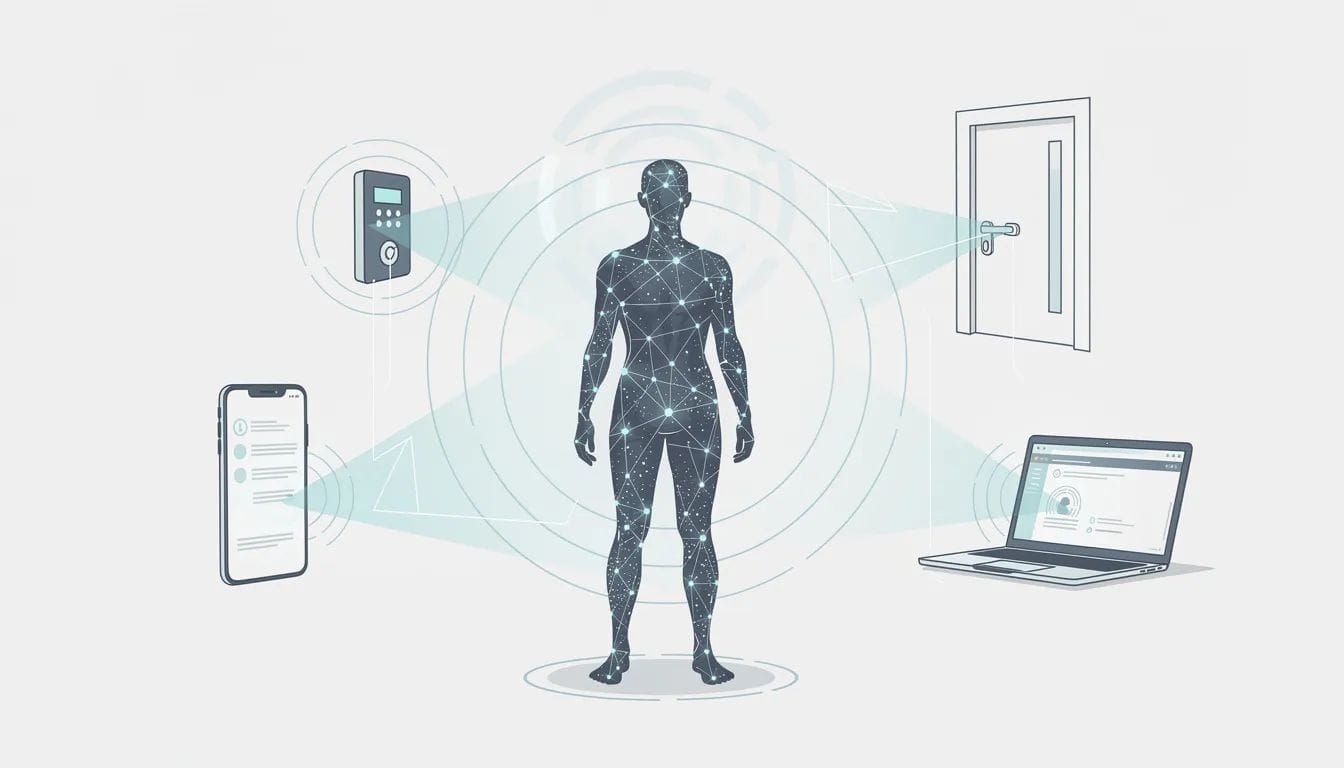
Authentication methods are processes used to verify the identity of a user or device before granting access to a service.
Why Authentication Matters
Authentication serves as the gatekeeper to online accounts and services, ensuring that only authorized individuals can access sensitive information. As cyber threats continue to evolve, the need for secure authentication methods has never been greater. User authentication is important for security, regulatory compliance, and building user trust, as it helps prevent unauthorized access, data breaches, and fraud. Authentication is essential for activities ranging from social media logins to accessing sensitive information.
Authentication in Modern Organizations
In 2026, authentication serves as the foundation of digital trust across online accounts, enterprise systems, and critical infrastructure. Authentication ensures that only authorized users can access sensitive systems and data, enhancing network security and access control.
Organizations now view authentication not as a single login step, but as a continuous access decision that adapts to risk, context, and user behavior. Data breaches are common, and hackers are using increasingly sophisticated methods to bypass security systems. To address these threats, organizations implement several security layers to protect confidential data and prevent it from falling into the wrong hands.
Authentication Methods Are Shifting Toward Identity First Security
In 2026, authentication has shifted towards identity-first security, favoring phishing-resistant methods over traditional passwords. This change reflects a growing understanding that static credentials alone cannot defend against modern attack techniques.
Passwords are ubiquitous but provide low security due to vulnerabilities like phishing and brute-force attacks. Weak passwords are a common vulnerability, as users often choose passwords that are easy to guess or crack. Reusing the same password across multiple accounts introduces additional security risks, as a breach in one account can compromise others.
Static passwords are particularly vulnerable to modern attack techniques and present significant security risks, prompting a move toward passwordless authentication methods that eliminate static passwords in favor of more secure solutions.
As a result, authentication strategies increasingly rely on multiple verification signals rather than a single static secret.
Biometric Authentication as a Core Signal
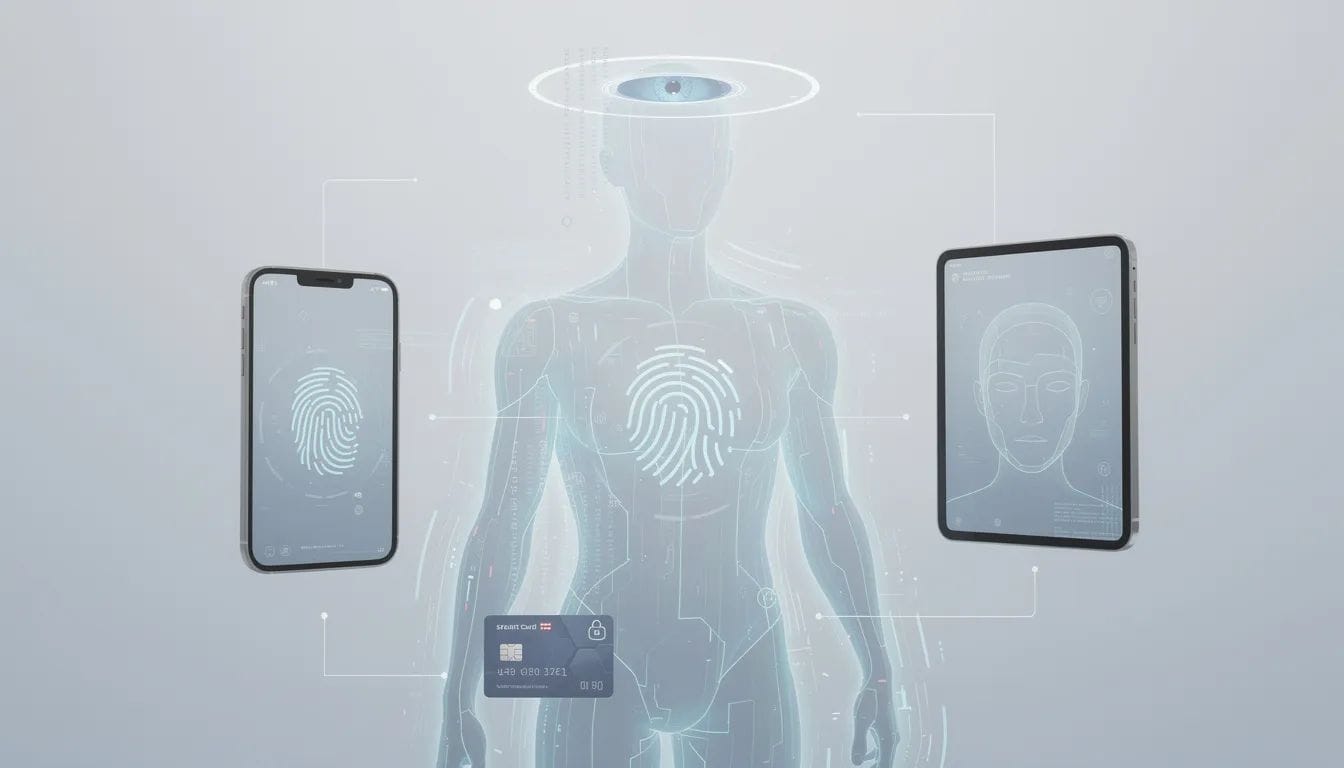
Biometric authentication is a secure method of verifying identity based on unique physical traits, such as fingerprints and facial recognition. Voice recognition is another biometric authentication method used to verify identity through spoken input. Biometric authentication verifies identity using unique physical traits, such as fingerprints or facial recognition.
The security of biometric authentication relies on the difficulty of replicating or forging biometric traits. This makes biometrics a powerful signal for modern authentication systems.
Biometric authentication cannot be easily changed if compromised, raising privacy concerns. Trusted platform modules are used to securely store biometric credentials and cryptographic keys, enhancing the security of biometric authentication. For this reason, biometric verification is most effective when combined with additional authentication factors.
Behavioral biometrics can allow for continuous authentication throughout a session, adding identity assurance without interrupting the user experience.
Multi Factor Authentication Remains Essential but Must Evolve
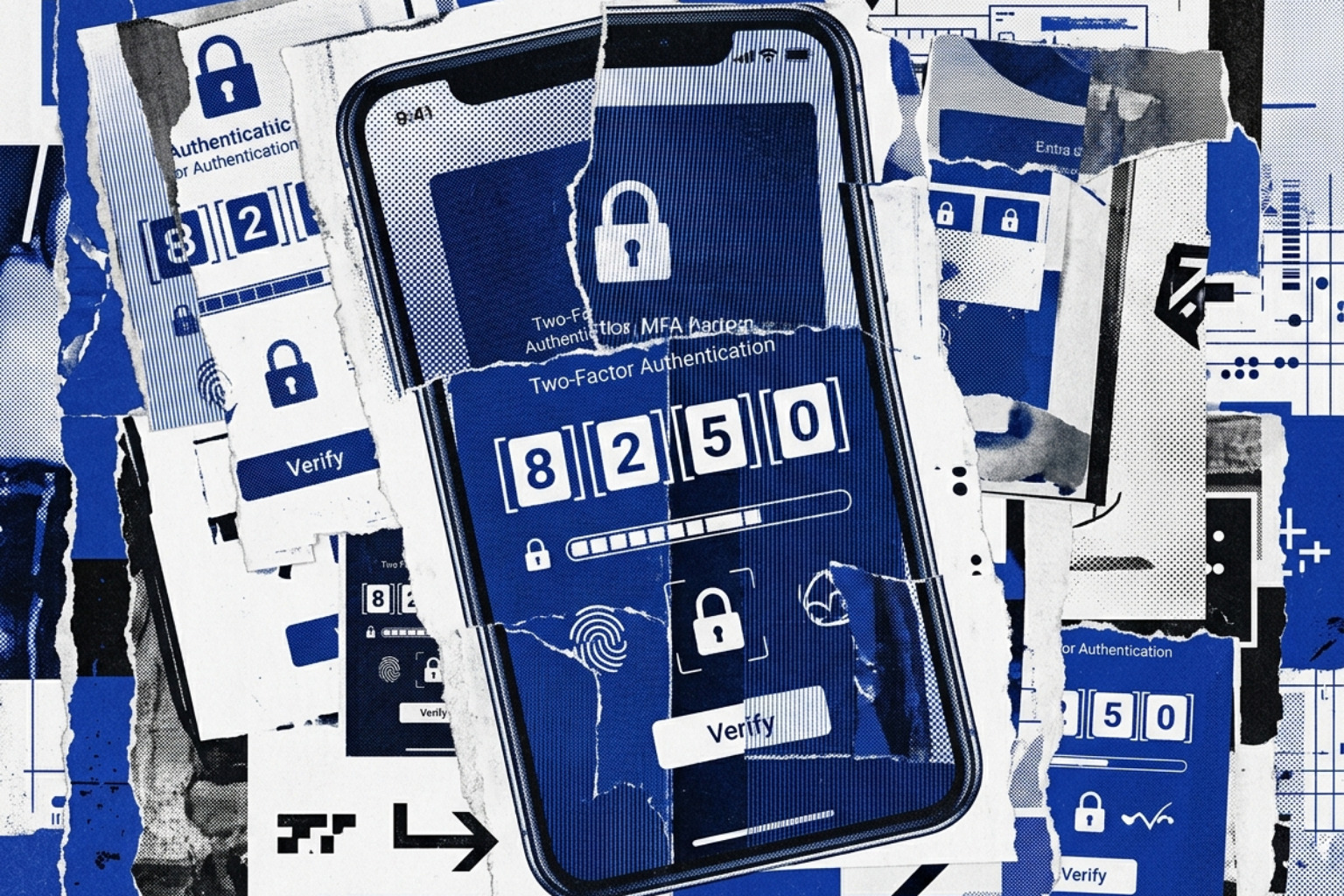
Multi-factor authentication (MFA) requires at least two factors to verify a user’s identity, significantly enhancing security. Multi-factor authentication (MFA) requires users to verify their identity using two or more independent factors, significantly reducing the risk of unauthorized access. An authenticator app, such as Google Authenticator or Authy, is a key method within MFA that generates temporary security codes to verify a user's identity during login. Two factor authentication (2FA) is a specific form of MFA that requires two distinct credentials — such as a password and a hardware token — to verify a user's identity. MFA enhances security by requiring multiple factors to confirm a user's identity before granting access.
Cybersecurity authentication methods verify user identity through knowledge, possession, or inherence. MFA combines these verification factors to protect sensitive data and systems. Backup codes serve as a fallback authentication method when users cannot access their primary MFA device, ensuring secure access remains possible.
However, MFA is susceptible to cyberattacks, commonly known as MFA bypass, making it crucial to set up phishing-resistant MFA flows. Push notifications in MFA prompt users to approve or deny a login attempt, adding an extra layer of security. Push fatigue, token interception, and social engineering continue to challenge legacy MFA implementations.
Password Authentication Is Declining but Still Present
Password-based authentication is one of the most common authentication methods, requiring a username and password combination. Despite its prevalence, password-based authentication is much less secure than other methods and poses a breeding ground for data breaches and cyberattacks.
Static passwords are often reused across online accounts, increasing exposure during a security breach. Password-based authentication remains in use primarily as a fallback or compatibility layer rather than a primary security control.
In modern architectures, passwords are increasingly supplemented or replaced by stronger authentication mechanisms.
Authentication Methods Comparison (2026)
Method | Security Level | User Friction | Best For |
|---|---|---|---|
Passwords | Low | Medium | Legacy systems or as a fallback when no other option exists. |
SMS/OTP (One-Time Passcode) | Low to Medium | Medium | Basic 2FA for low-risk consumer apps, though rapidly being phased out. |
Authenticator Apps (TOTP) | Medium | Low to Medium | Users needing a free, widely compatible second factor for personal or work accounts. |
Push-Based MFA | Medium to High | Low | Organizations needing a convenient and quick 2FA for employees. |
Hardware Security Keys | Very High (Phishing-Resistant) | Low | High-risk users (admins, executives) and organizations enforcing phishing-resistant MFA. |
Biometrics | High | Very Low | Consumer devices and as a convenient second factor or passwordless unlock. |
Passkeys (Device-Bound) | Very High (Phishing-Resistant) | Very Low | Mainstream users moving toward true passwordless experiences on personal devices. |
Proximity-Based / Presence | High to Very High | Zero / Frictionless | Organizations seeking a seamless, passwordless workflow and continuous authentication. |
Adaptive / Risk-Based | High | Variable / Optimized | Enterprises wanting to balance security and usability intelligently at scale. |
Authentication Factors and Verification Signals
Types of Authentication Factors
Authentication factors fall into three primary categories:
- Something the user knows
- Something the user possesses
- Something the user is
Common Verification Factors
Verification factors include:
- PIN codes
- Biometric data
- Security tokens
- Cryptographic keys
- Registered devices
- User behavior signals
A security token is a physical or digital device used as a second factor in two-factor authentication, providing an extra layer of protection by serving as 'something you have.' Authentication helps prevent attempts to misuse accounts for fraudulent transactions or nefarious activities under false identities.
User behavior signals are also used, where behavioral authentication analyzes the way a user interacts with devices to verify identity in a non-intrusive manner.
In 2026, effective authentication strategies rely on multiple signals evaluated together, rather than isolated checks.
Multi Factor Authentication MFA in Practice
Multi-factor authentication (MFA) adds an extra layer of security by requiring users to verify their identity using two or more independent factors. Compared to single factor authentication, MFA significantly improves resistance to credential theft.
Organizations implement MFA across remote access, cloud applications, and administrative systems to protect against unauthorized access and data breaches.
Yet effectiveness depends on how MFA is deployed, monitored, and combined with other controls.
Certificate Based Authentication for Devices and Systems
Certificate-based authentication uses digital certificates issued by a trusted authority to verify identity. Certificate-based authentication uses digital certificates issued by a trusted authority to verify the identity of users or devices. This method is commonly used to authenticate mobile devices, ensuring secure access through digital certificates.
This approach relies on public key cryptography and cryptographic keys stored securely on devices or trusted platform modules. It is widely used for secure communication, infrastructure access, and machine-to-machine authentication.
Certificate-based authentication plays a growing role in zero trust environments and cloud-native systems.
Adaptive Authentication and Risk Based Decisions
Adaptive authentication dynamically adjusts the authentication process based on the user's context, such as location or device, enhancing security. This approach evaluates risk in real time using signals like network behavior, device health, and login patterns.
Adaptive or risk-based authentication reduces friction for low-risk access while increasing verification requirements during suspicious activity.
In 2026, adaptive authentication is essential for balancing strong protection with usability.
Token Based Authentication and Possession Signals
Token-based authentication uses tokens to authenticate users, providing an additional layer of security by requiring possession of a physical or digital token. Hardware tokens based authentication uses physical devices, such as FIDO2 security keys, to provide strong user verification and protection against digital theft. Token authentication is a method that uses hardware or software tokens to generate time-sensitive, cryptographic one-time passwords. Token-based authentication works by issuing tokens to users, rather than directly handling their credentials, to authenticate access. Token-based authentication uses tokens to verify identity, which can be either hardware or software-based.
Token-based authentication is less vulnerable to digital theft since an attacker must possess the token to gain access. Security keys, such as USB tokens, are widely used to enhance security and reduce vulnerability to phishing. Hardware tokens remain among the most phishing-resistant authentication options available.
Token-based systems are commonly used alongside MFA and passwordless flows.
Federated and Single Sign-On Authentication
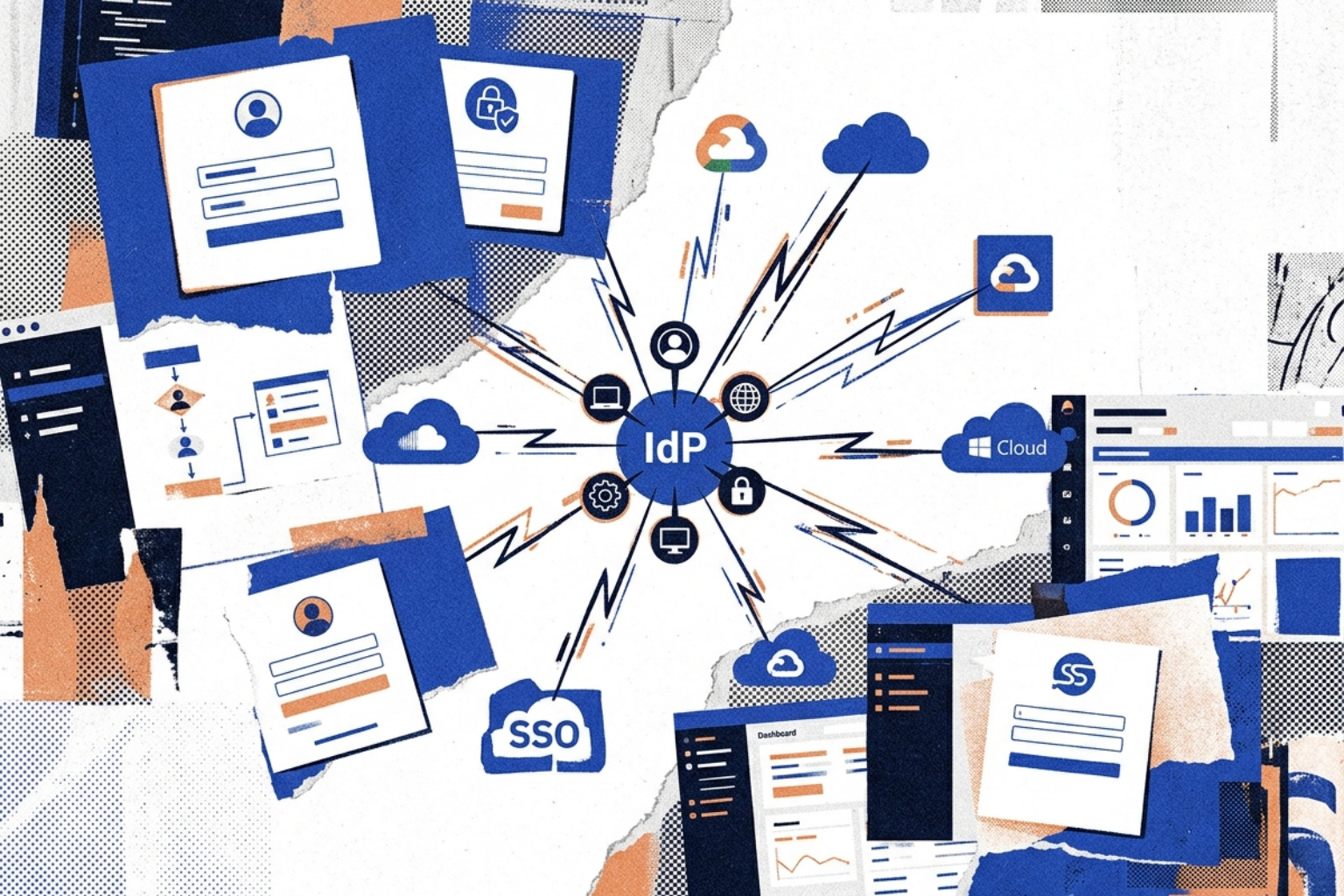
Federated authentication and Single Sign-On (SSO) have transformed the authentication process by allowing users to access multiple applications with a single set of credentials. Federated authentication delegates user validation to a trusted Identity Provider (IdP), which verifies the user’s identity and issues a security assertion or authentication token to the requesting application. Single Sign-On (SSO) streamlines user access by enabling users to log in once and gain access to a suite of connected services without repeated authentication prompts. Protocols such as Security Assertion Markup Language (SAML) and OpenID Connect (OIDC) are widely used to facilitate federated authentication and SSO, ensuring secure communication between identity providers and applications. By implementing federated authentication and SSO, organizations can simplify the authentication process, reduce password fatigue, and enhance the user experience. For added protection, multi factor authentication (MFA) can be layered onto SSO solutions, combining convenience with robust security.
Behavioral and Device Recognition
Behavioral and device recognition represent advanced authentication methods that go beyond traditional password authentication to verify identity. Behavioral authentication analyzes patterns in user behavior — such as keystroke dynamics, mouse movements, and navigation habits — to create a unique behavioral profile for each user. Device recognition, meanwhile, examines device-specific attributes like IP address, browser type, and operating system to confirm that login attempts are coming from trusted devices. By integrating these advanced authentication methods with existing security measures, organizations can detect anomalies and prevent unauthorized access, even if credentials are compromised. Monitoring user behavior and device characteristics helps to identify suspicious activity in real time, reducing the risk of data breaches and strengthening defenses against evolving cyber threats.
Out-of-Band and API Authentication
Out-of-Band (OOB) authentication and API authentication are essential for securing sensitive data in both user interactions and system-to-system communications. OOB authentication verifies a user’s identity through a separate channel — such as a phone call, SMS, or push notification — ensuring that only the user in possession of the registered device can complete the authentication process. This method is particularly effective for high-risk transactions and account recovery scenarios. API authentication, on the other hand, focuses on verifying the identity of applications and services that interact via APIs, using token based authentication or biometric authentication to ensure that only authorized systems can access protected resources. By combining OOB and API authentication with token based authentication and biometric verification, organizations can build a robust security framework that minimizes the risk of data breaches and unauthorized access to sensitive data.
CAPTCHAs and Security
CAPTCHAs serve as a frontline defense against automated attacks by distinguishing between human users and bots during the authentication process. These challenge-response tests are commonly used to protect online forms, account creation, and login attempts from automated abuse. While CAPTCHAs can help prevent basic automated threats, they may not be sufficient against more advanced cyber threats or sophisticated bots. Additionally, CAPTCHAs can sometimes hinder user experience, especially for those with accessibility needs. To achieve enhanced security, organizations are increasingly turning to advanced authentication methods such as multi factor authentication (MFA) and biometric authentication, which provide stronger protection for sensitive data. By understanding the limitations of CAPTCHAs and integrating them with multi factor authentication mfa and other secure authentication methods, organizations can create a comprehensive defense strategy that addresses both usability and security in the face of modern cyber threats.
OpenID Connect and Modern Identity Layers
OpenID Connect operates as a standardized identity layer that enables secure authentication across applications and services. It works with identity providers to support token-based authentication and identity assertions.
Single Sign-On (SSO) allows users to log in once to access multiple applications, reducing password fatigue and improving usability.
OpenID Connect is foundational to cloud identity platforms and modern authentication architectures.
Passwordless Authentication Becomes the Default
Passwordless authentication eliminates the need for traditional passwords by using other identifiers, such as biometrics or one-time codes. Passwordless authentication methods improve security while reducing friction for users by eliminating the need for traditional passwords.
Passwordless authentication methods eliminate the need for traditional passwords by using other identifiers such as biometrics or one-time passcodes. Implementing passwordless authentication can improve security while reducing friction for users.
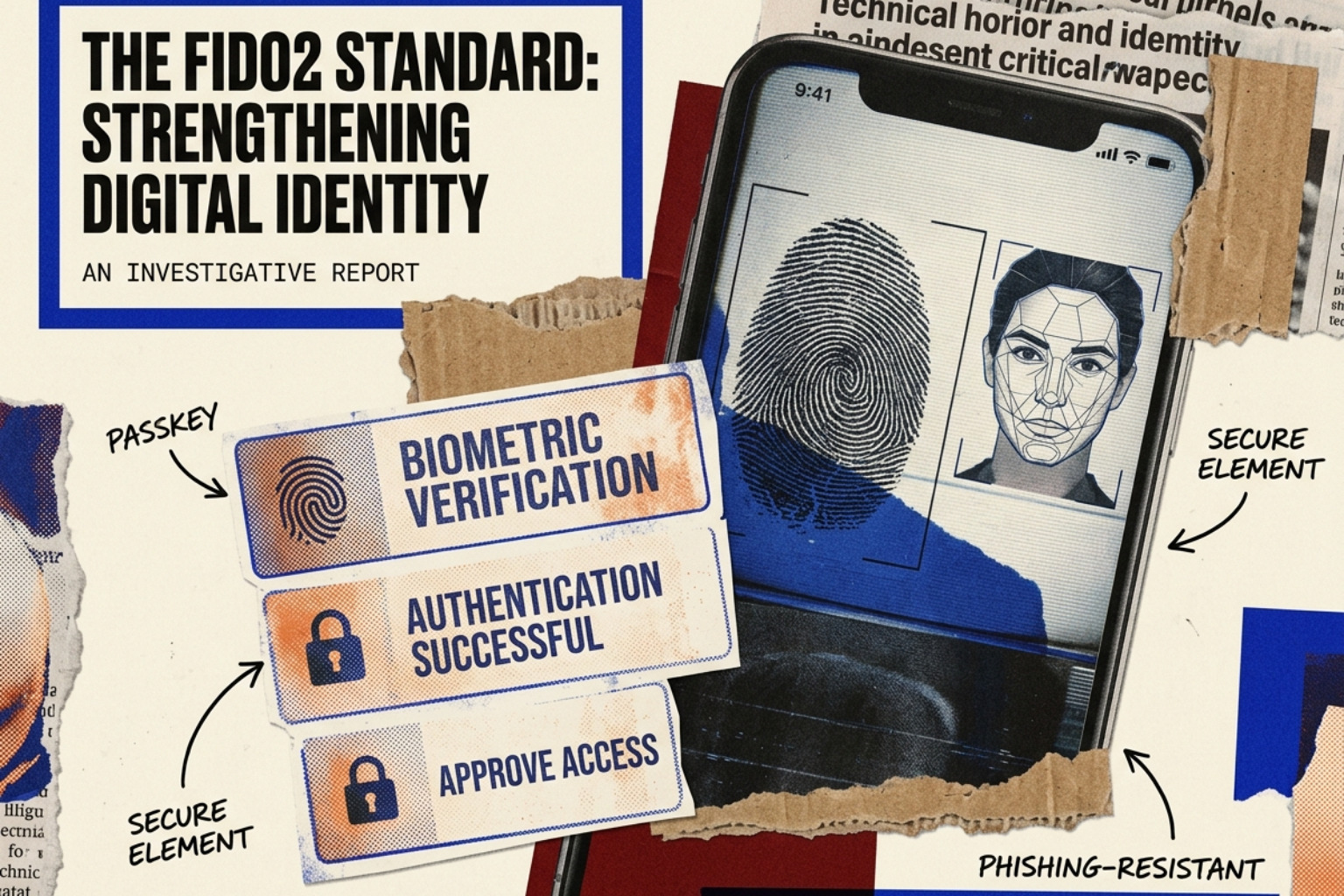
Passkeys are cryptographic keys that replace traditional passwords, using biometric or device-based verification to authenticate users across devices.
Solutions such as EveryKey support this model by confirming identity through presence and proximity, allowing access to follow the user naturally without repeated prompts.
Choosing the Best Authentication Methods for 2026
Key Factors to Consider
Choosing the right authentication method depends on factors such as security, user experience, scalability, and compliance. Organizations should evaluate different user authentication methods to ensure effective protection of digital identities.
When implementing authentication methods, it is important to consider key factors such as:
- Security
- User experience
- Scalability
- Compatibility
- End-user preference
- Compliance
- Cost
The effectiveness of an authentication solution is assessed based on usability and security.
Strong authentication methods protect organizations from unauthorized access, data breaches, and reputational harm. Implementing advanced authentication methods increases customer confidence and promotes brand trust.
In 2026, the best authentication strategies are layered, adaptive, and designed around identity rather than credentials.
Frequently Asked Questions
What are the best authentication methods for 2026?
Passwordless authentication, phishing-resistant MFA, biometrics, hardware tokens, and adaptive authentication are considered the strongest options.
Are passwords still used in 2026?
Yes, but mostly as a fallback. Passwords are ubiquitous but provide low security due to vulnerabilities like phishing and brute-force attacks.
Is MFA enough on its own?
MFA significantly improves security, but MFA is susceptible to cyberattacks, commonly known as MFA bypass, making phishing-resistant implementations essential.
Why is passwordless authentication gaining adoption?
Passwordless authentication improves security while reducing friction, eliminating risks tied to static passwords.
How does adaptive authentication improve access security?
Adaptive authentication adjusts verification requirements based on context, increasing protection without harming user experience.